
What Is a Content Roadmap? A Guide to Improve Your SEO Strategy
 Published:
May 8th, 2026
Published:
May 8th, 2026

A content roadmap is a strategic plan that outlines topics, timelines, and goals for content creation to improve SEO, consistency, and traffic.

Sahil Bansal
Founder & CEO
14 min read
- What Is a Content Roadmap?
- Why a Content Roadmap Matters for SEO
- Content Roadmap vs Content Strategy Roadmap
- What are the Key Components of an Effective Content Roadmap?
- Content Strategy Outline for a Strong Roadmap
- Step-by-Step Content Development Process
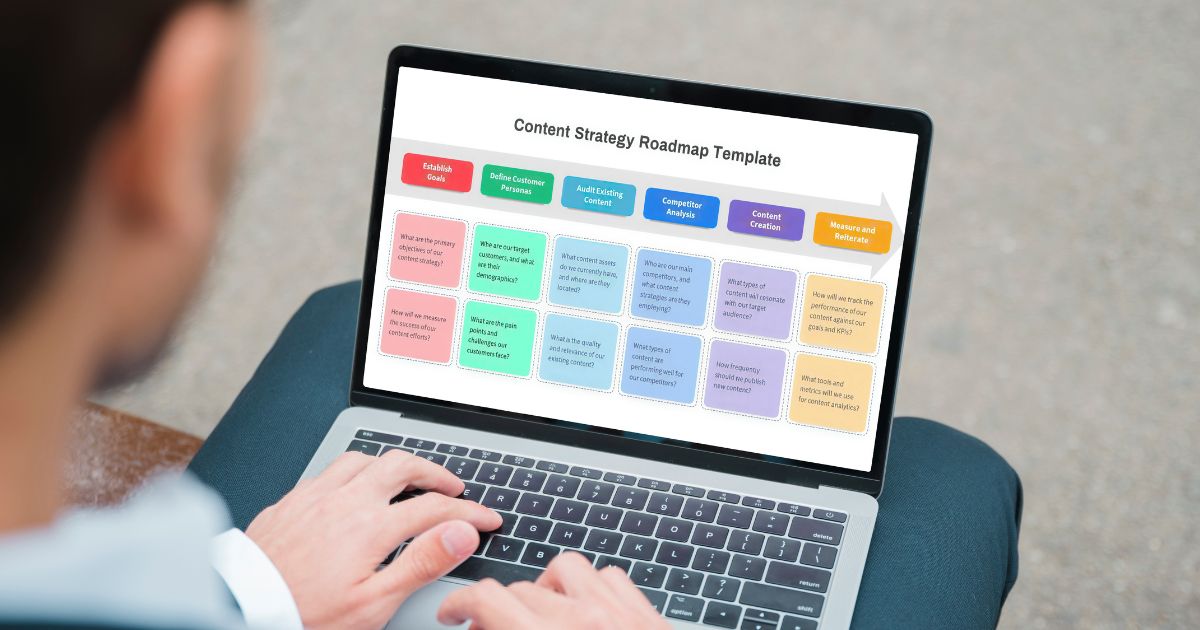
- Easy Template to Organize Your Content Strategy
- Conclusion
Share This Article
Most content fails not because of poor writing, but because there is no clear system behind what gets published. Without a structured plan, businesses often target the wrong keywords, miss search intent, and produce content that never compounds in value.
A content roadmap fixes this by turning scattered ideas into a deliberate SEO growth system. It connects keyword strategy, content creation, and publishing timelines into a single framework designed to build topical authority and consistent traffic over time.
What Is a Content Roadmap?
A content roadmap is a structured plan that outlines what content you will create, when it will be published, and how it supports your overall business and marketing goals. It acts as a long-term guide that helps you stay focused on the right topics, maintain consistency, and align your content with audience needs and SEO objectives.
Purpose of a Content Roadmap
The main purpose of a content roadmap is to bring clarity and direction to your content efforts. Instead of guessing what to post next, you follow a planned path based on research, goals, and strategy. It helps you:
- Plan content in advance
- Target relevant keywords
- Maintain consistency across channels
- Track progress and performance
How It Connects with Your Overall Content Strategy
A content roadmap works hand in hand with your content strategy plan. Your strategy defines the bigger picture, such as your goals, audience, and messaging. The roadmap turns that strategy into action by outlining specific topics, timelines, and formats. In simple terms, the strategy is the “why” and the roadmap is the “how” and “when.”
Difference Between a Roadmap and Day-to-Day Posting
| Factor | Content Roadmap | Day-to-Day Posting |
| Focus | Long-term planning and direction | Daily execution and publishing |
| Purpose | Aligns content with business goals | Focuses on immediate posting needs |
| Strategy | Built on a clear content strategy plan | Often lacks a structured strategy |
| Planning Level | Planned weeks or months in advance | Planned daily or last-minute |
| Consistency | Ensures consistent messaging and schedule | Can be inconsistent without planning |
| Content Quality | More researched and optimized | May be rushed or less detailed |
| SEO Impact | Strong focus on keywords and SEO growth | Limited SEO impact |
| Content Alignment | All content fits into a bigger plan | Content may feel disconnected |
| Performance Tracking | Easier to track and improve results | Harder to measure effectiveness |
| Flexibility | Allows adjustments based on data | Reactive to trends and quick changes |
| Results | Drives long-term growth and engagement | Focuses on short-term activity |
Why a Content Roadmap Matters for SEO
A content roadmap plays a key role in improving your SEO because it helps you plan, organize, and optimize your content with a clear purpose. Instead of creating random posts, you build a structured path that supports search engine visibility and long-term growth.
Targets the Right Keywords: A well-planned content roadmap allows you to research and target the right keywords in advance. This ensures your content matches what people are actually searching for.
Builds Strong Content Structure: With a roadmap, you can organize content into topic clusters and categories. This improves site structure and makes it easier for search engines to understand your content.
Improves Internal Linking: A structured plan helps you connect related content through internal links. This boosts SEO and keeps users engaged for longer.
Supports Search Intent: A content marketing roadmap helps you create content for different stages of the user journey. This ensures your content answers user queries effectively.
Maintains Consistency: Regular publishing is important for SEO. A content roadmap helps you stay consistent, which signals reliability to search engines.
Enhances Content Quality: Planning ahead gives you time to create well-researched and optimized content, which performs better in search results.
Tracks and Improves Performance: With a clear content strategy plan, you can monitor what works and adjust your roadmap. This leads to continuous SEO improvement and better results over time.
Content Roadmap vs Content Strategy Roadmap
These two terms sound similar, but they play different roles in your content planning. Knowing how they differ helps you stay organized and more effective.
Content Roadmap
A content roadmap is focused on execution. It outlines what you will create, when it will go live, and how everything fits into a timeline. It keeps your publishing consistent and ensures your ideas are planned in advance.
Content Strategy Roadmap
A content strategy roadmap looks at the bigger picture. It defines your goals, target audience, messaging, and the purpose behind your content. It guides your decisions and sets the direction for everything you create.
Key Differences
| Factor | Content Roadmap | Content Strategy Roadmap |
| Focus | Execution and scheduling | Strategy and direction |
| Purpose | Plans creation and publishing | Defines goals and audience |
| Scope | Short to mid-term planning | Long-term vision |
| Approach | Action-focused | Research and planning focused |
| Role | Turns ideas into action | Builds the foundation |
How They Work Together
The strategy roadmap sets the direction by defining what you want to achieve. The roadmap then puts that plan into action with clear timelines and content ideas. When combined, they create a smooth and structured workflow that leads to better consistency and results.
What are the Key Components of an Effective Content Roadmap?
Clear Goals and KPIs: Every strong roadmap starts with clear goals. Define what you want to achieve, such as increasing traffic, generating leads, or improving engagement. Setting measurable KPIs helps you track progress and evaluate success.
Audience Research and Personas: Understanding your audience is essential. Research their needs, interests, and challenges, then create simple personas. This ensures your content is relevant and valuable.
Content Pillars and Core Topics: Content pillars are the main themes that organize your content strategy. They help group related topics under broader categories, making content more structured, scalable, and SEO focused. Strong content pillars also improve topical authority and create a clearer content flow for users and search engines.
Keyword Planning and Topic Clusters: Keyword research helps you target what people are searching for. Organize related keywords into topic clusters to create a structured content flow and improve SEO.
Content Formats (Blogs, Videos, Guides, etc.): Use a mix of content formats like blogs, videos, and guides to keep your audience engaged and reach different types of users.
Publishing Timeline and Consistency: A clear publishing schedule helps maintain consistency. Planning content weekly or monthly keeps your brand active and reliable.
Performance Tracking and Optimization: Monitor metrics like traffic, engagement, and conversions. Use this data to refine your content and improve results over time.
Content Strategy Outline for a Strong Roadmap
Define Business Goals
Start by identifying what you want to achieve, such as increasing traffic, generating leads, or building brand awareness. Clear goals give your content direction.
Identify Target Audience
Understand who your audience is, what they need, and what problems they are trying to solve. This helps you create more relevant and engaging content.
Map Content to Buyer Journey
Plan content for each stage of the buyer journey, including awareness, consideration, and decision. This ensures you guide users from discovery to conversion.
Choose Content Channels
Decide where you will publish your content, such as your website, blog, social media, or email. Focus on platforms where your audience is most active.
Set Measurable KPIs
Define key performance indicators like traffic, engagement, conversions, or rankings. This helps you measure success and improve your strategy.
Plan Distribution and Promotion
Creating content is not enough. Plan how you will promote it through social media, email marketing, or other channels to maximize reach and visibility.
Step-by-Step Content Development Process
Research Topics and Keywords
Start by finding topics your audience is interested in. Use keyword research to understand what people are searching for and identify opportunities to create valuable content.
Create a Structured Content Strategy Plan
Organize your ideas into a clear plan that aligns with your goals. This step ensures your content has direction and supports your overall strategy.
Develop Content Briefs
Prepare detailed briefs for each piece of content. Include the target keyword, topic, structure, and key points to cover so the content stays focused and consistent.
Write and Optimize Content for SEO
Create high-quality content that is easy to read and valuable for users. Optimize it with proper headings, keywords, and internal links to improve search visibility.
Publish and Distribute
Once the content is ready, publish it on your chosen platforms. Share it through social media, email, or other channels to reach a wider audience.
Track Performance and Refine
Monitor how your content performs using metrics like traffic and engagement. Use these insights to improve future content and adjust your strategy for better results.
Easy Template to Organize Your Content Strategy
Define Your Timeline: Choose whether you want to plan your content monthly or quarterly. This sets a clear timeframe for your entire roadmap.
Add Content Topics: List all the topics you plan to cover. Make sure they align with your goals and audience interests.
Assign Target Keywords: For each topic, include a primary keyword. This helps guide your SEO and keeps your content focused.
Select Content Type: Decide the format for each topic, such as blog, video, guide, or infographic, based on what suits your audience best.
Map Funnel Stage: Assign each content piece to a stage of the buyer journey like awareness, consideration, or decision.
Schedule Publish Date: Set a specific date for publishing each piece of content to maintain consistency.
Update Status: Track the progress using simple labels like planned, in progress, or published to stay organized.
Customize the Template: Modify the template based on your needs. You can add extra fields like platform, content owner, or performance tracking to make it more effective.
Conclusion
A content roadmap plays a crucial role in bringing clarity, consistency, and direction to content efforts. It helps businesses plan ahead, stay organized, and ensure every piece of content supports clear goals instead of being created randomly.
Building a flexible and data-driven plan is equally important. As trends and audience behavior change, the roadmap should be updated and refined. Regular performance tracking helps improve results and keeps the strategy aligned with long-term growth.
In the end, success comes down to a simple formula: consistency plus strategy leads to long-term SEO success. With our team of professional content writers at Webcazador, we focus on creating structured and effective roadmaps that drive real, lasting results.
Frequently Asked Questions
Related Posts

How to Get More Patient Reviews for Your Hospital and Improve Credibility
Get more patient reviews with practical strategies, including timely review requests, direct review links, QR codes, staff involvement, and proactive review management.
By Sahil Bansal

Top 10 Healthcare Marketing Strategies for Hospitals & Clinics
Patient-first healthcare marketing strategies for 2026 that help hospitals and clinics build trust, boost visibility, and attract the right patients digitally.
By Sahil Bansal

SEO vs Social Media Marketing: Which Strategy Drives Better Results in 2026?
SEO vs social media marketing: SEO drives long-term traffic and conversions, while social media boosts visibility and engagement. Best results come from combining both.
By Sahil Bansal