
What Is a Content Brief and Why Is It Essential for Marketing
 Published:
May 8th, 2026
Published:
May 8th, 2026

A content brief outlines goals, audience, keywords, and structure for content, helping marketers create consistent, targeted, and effective content.

Sahil Bansal
Founder & CEO
16 min read
Most content fails not because the writing is bad, but because no one agreed on what the piece was supposed to do before it was written. A content brief fixes that.
The problem no one talks about!
A writer gets a topic. Maybe a keyword. Maybe a Slack message with three bullet points. They do their best, hand it over, and then spend the next week in revision loops while a marketer tries to explain what they meant in the first place.
This is not a writing problem. It is a direction problem. Whether you call it content briefing or a content marketing brief, a content brief is how you solve it.
What Is a Content Brief
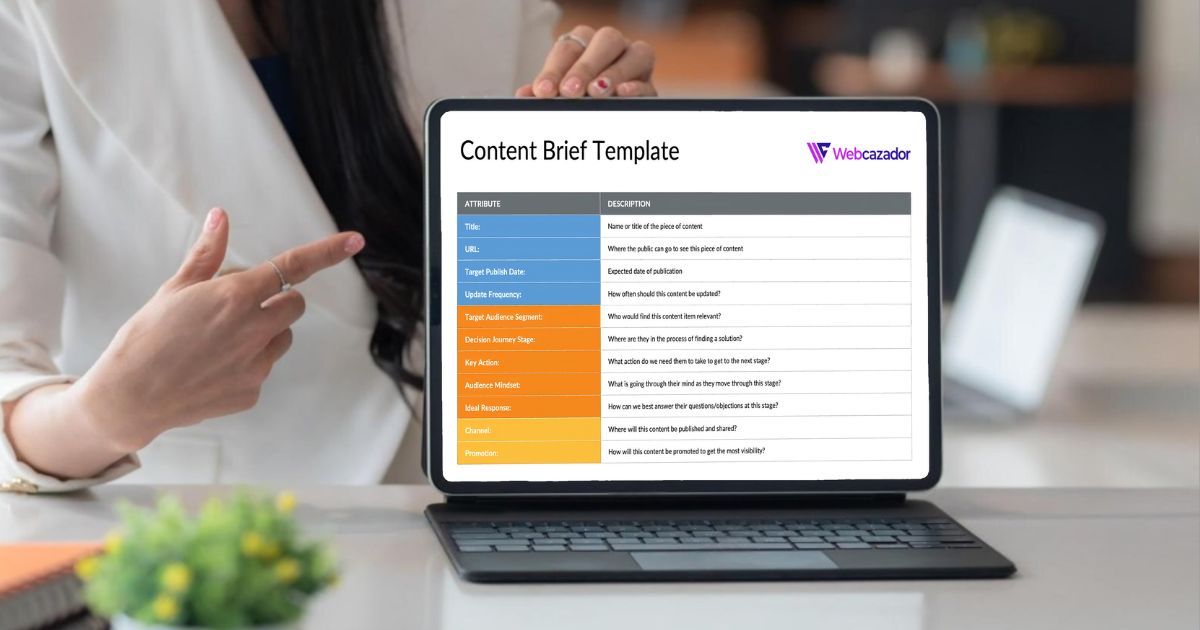
A content brief is a short document that tells a writer everything they need before they write a single word: who the piece is for, what it should rank for, how it should be structured, what tone it should take, and what success looks like.
Think of it as a blueprint. Architects do not hand builders a vision and hope for the best. They provide a plan. A content brief does the same thing for content teams.
Many teams rely on a content brief template or standardized content brief templates to maintain consistency and speed up production.
Key Insight: Teams that use structured content briefs report up to 50% fewer revision cycles, according to a 2023 Content Marketing Institute survey. Less back-and-forth means faster publishing and lower production costs.
Why a Content Brief Is Essential for Marketing
Without a brief, every assumption about audience, tone, keyword usage, and goal lives only in someone’s head, making it difficult to create strategic content or follow a structured content strategy brief. That creates inconsistency at best and wasted budget at worst.
Here is what a well-written content plan actually does:
Connects content to real business goals
A brief forces the question: why are we writing this? Is it to rank for a keyword, generate leads, or support a sales conversation? Without an answer, content drifts.
Cuts revision time dramatically
When expectations are clear upfront, writers do not guess and editors do not have to correct. The first draft lands closer to what was needed.
Improves SEO from the start
Embedding keyword intent, heading structure, and meta guidance into the brief means SEO is baked in, not bolted on after the fact.
Aligns everyone on the team
Writers, editors, strategists, and clients all work from the same document. Fewer misunderstandings, fewer meetings.
Key Elements of an Effective Content Brief
A well structured content brief includes all the essential details that guide the creation process and ensure the final output meets both user and business goals.
- Target Keyword and Search Intent
This defines the primary keyword along with relevant supporting terms. It also clarifies the type of search intent, whether informational, transactional, or navigational, so the content aligns with what users are actually looking for. - Target Audience
Identifying who the content is for helps shape the messaging. It includes understanding the audience’s needs, pain points, and expectations to ensure the content is relevant and valuable. - Content Objective
Every piece of content should have a clear purpose, such as driving traffic, generating leads, or building brand awareness. This keeps the content focused and results driven. - Content Structure
A suggested outline with headings and subheadings provides a clear flow of information. It helps writers organize ideas logically and ensures important points are covered. - Tone and Style Guidelines
Defining the brand voice and writing style ensures consistency across all content. It guides how the message should be delivered to match the brand identity. - SEO Guidelines
This includes instructions for meta title and description, along with internal and external linking. These elements help improve search visibility and overall content performance. Many teams also use an SEO content brief template to standardize optimization across all content.
Creating an effective brief, whether it is an article brief or a broader content guide, involves a structured approach that ensures clarity, relevance, and strong outcomes. Each step helps build a solid foundation for high quality content.
- Define Your Goal and Audience: Start by identifying the purpose of the content, whether it is to drive traffic, generate leads, or build awareness. At the same time, clearly define the target audience, including their needs, challenges, and expectations.
- Conduct Keyword Research: Identify the primary keyword and related terms that align with user search behavior. This helps ensure the content is discoverable and matches what users are actively searching for.
- Analyze Top Ranking Content: Review high-performing pages on search engines to understand what works. Look at their structure, topics covered, and depth to identify gaps and opportunities for improvement.
- Perform a Content Audit: Review your existing content to identify outdated information, keyword overlap, content gaps, and pages that can be updated or repurposed. A content audit helps ensure the new content brief aligns with your current SEO strategy and avoids creating duplicate or competing content.
- Outline the Structure: Create a clear outline with headings and subheadings to guide the flow of content. This ensures logical organization and complete coverage of the topic.
- Add SEO and Writing Guidelines: Include instructions for tone, style, keyword placement, meta details, and linking. This helps maintain consistency and ensures the content is optimized for both users and search engines.
- Review and Finalize the Brief: Go through all the details to ensure accuracy and clarity. A well reviewed brief reduces confusion and sets the right direction before content creation begins.
Best Practices for Writing a Strong Content Brief
Creating an effective brief is not about adding more information, but about providing the right direction with clarity and purpose. Strong briefs act as strategic guides rather than just checklists, helping teams create content that performs.
- Keep It Clear and Actionable
A strong brief should remove guesswork and give precise direction on what needs to be created. Instead of vague instructions, it should clearly define goals, expectations, and key deliverables so writers can execute with confidence. Overloading it with unnecessary details can reduce clarity and slow down the process. - Focus on User Intent and Value
High performing content starts with understanding what the audience is actually searching for. A brief should connect keywords with clear search intent and real user needs, ensuring the content delivers meaningful value instead of just targeting keywords. This alignment is essential for both engagement and rankings. - Maintain Consistency Across All Briefs
A standardized approach to structure, tone, and expectations helps teams scale content while maintaining quality. Using clear pillars for content planning ensures every piece follows the same strategic direction, strengthens topical relevance, and maintains a consistent brand voice across all content efforts. - Continuously Refine Based on Results
A brief should not be static. Performance data such as rankings, engagement, and user behavior should feed back into future briefs. This ongoing refinement helps improve content quality over time and ensures strategies evolve based on what actually works.
This approach ensures that briefs are not just documents, but practical tools that drive better content outcomes.
Conclusion
A strategic approach to content creation has become essential in modern marketing. A content brief plays a key role in ensuring every piece of content is aligned with clear goals, targeted messaging, and user intent. It adds structure to the process and turns scattered efforts into a focused strategy.
By setting clear expectations from the start, it streamlines workflows, strengthens content quality, and improves overall performance. Teams can work more confidently, reduce revisions, and create content that not only engages the audience but also performs well in search.
At Webcazador, we believe in building content with purpose. We follow a structured approach to ensure every piece delivers value, maintains consistency, and drives measurable results. Adopting a clear planning process helps businesses scale their content efforts effectively and stay competitive in a crowded digital space.
Frequently Asked Questions
Related Posts

How to Get More Patient Reviews for Your Hospital and Improve Credibility
Get more patient reviews with practical strategies, including timely review requests, direct review links, QR codes, staff involvement, and proactive review management.
By Sahil Bansal

Top 10 Healthcare Marketing Strategies for Hospitals & Clinics
Patient-first healthcare marketing strategies for 2026 that help hospitals and clinics build trust, boost visibility, and attract the right patients digitally.
By Sahil Bansal

SEO vs Social Media Marketing: Which Strategy Drives Better Results in 2026?
SEO vs social media marketing: SEO drives long-term traffic and conversions, while social media boosts visibility and engagement. Best results come from combining both.
By Sahil Bansal