
What Is Direct-to-Consumer (D2C) Marketing? A Complete Beginner’s Guide
 Published:
May 13th, 2026
Published:
May 13th, 2026

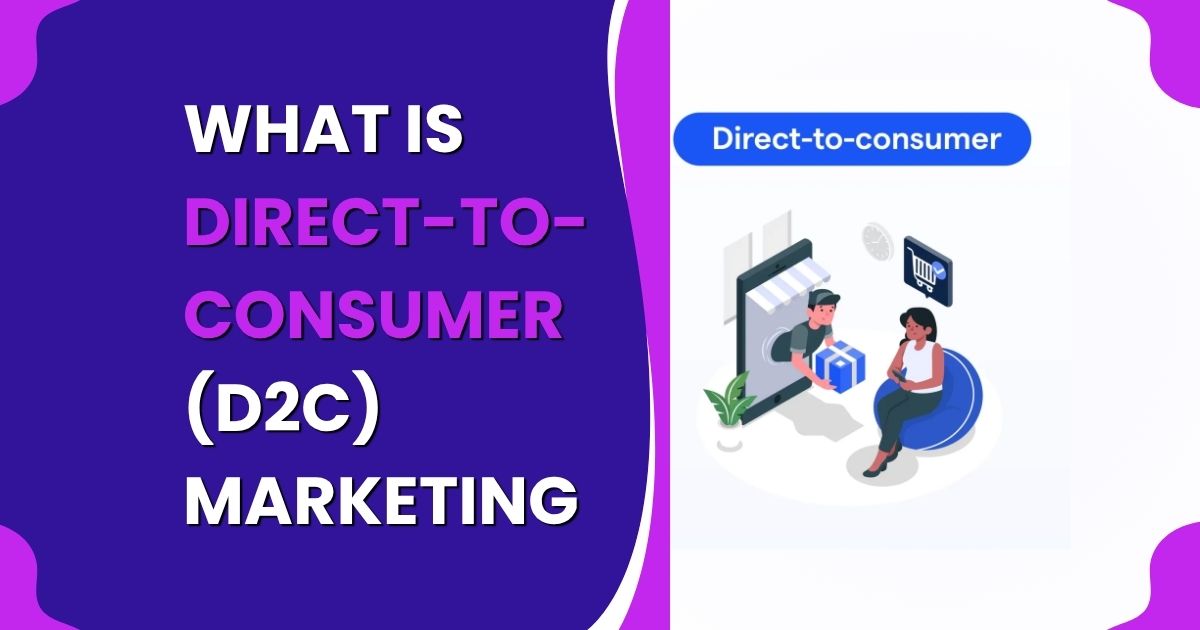
Direct to Consumer (D2C) marketing is when brands sell products directly to customers online without retailers or middlemen involved.

Sahil Bansal
Founder & CEO
14 min read
- What Does D2C Mean?
- What Is Direct-to-Consumer (D2C) Marketing?
- How the D2C Business Model Works
- Key Features of D2C Marketing
- Most Effective D2C Marketing Strategies
- Best Platforms for D2C Brands
- Examples of Successful D2C Brands
- D2C Marketing vs Traditional Retail Marketing
- Future Trends in D2C Marketing
- Conclusion
Share This Article
The way brands sell products has changed significantly in recent years. Earlier, businesses relied on retailers and distributors to reach customers. Today, many brands sell directly through websites, social media, and ecommerce platforms, creating a stronger connection with consumers.
This shift has made direct-to-consumer (D2C) marketing one of the fastest-growing business models in ecommerce. According to Shopify, more brands are adopting D2C strategies to improve customer experience, collect valuable data, and increase online sales.
D2C marketing also gives businesses more control over branding, pricing, and customer communication. As online shopping continues to grow, brands are focusing on direct relationships to build trust and long-term customer loyalty.
What Does D2C Mean?
D2C stands for direct-to-consumer, a business model where brands sell products directly to customers instead of relying on retailers or wholesalers. Rather than selling through third-party stores, businesses use their own websites, ecommerce platforms, and social media channels to connect with consumers.
This model helps brands build direct customer relationships, control their pricing and branding, and create a better shopping experience. With the rapid growth of ecommerce, many businesses are adopting the D2C approach to increase online sales and strengthen customer engagement.
What Is Direct-to-Consumer (D2C) Marketing?
Direct-to-consumer (D2C) marketing is a business strategy where brands sell products directly to customers without relying on wholesalers, distributors, or retail stores. Instead of using third-party sellers, businesses use their own websites, social media platforms, and online marketplaces to reach consumers directly.
D2C brands focus on building direct relationships with customers through personalized marketing, customer support, email campaigns, and social media engagement. This approach helps businesses understand customer behavior, improve shopping experiences, and strengthen brand loyalty.
A simple example of a D2C business model is a clothing brand selling products directly through its ecommerce website instead of placing products in retail stores. Brands like Nike and Warby Parker also use D2C strategies to connect directly with online customers.
How the D2C Business Model Works
The direct-to-consumer (D2C) business model allows brands to control the entire customer journey, from product creation to sales and customer support. Instead of depending on third-party retailers, businesses manage their own marketing, sales, and customer relationships directly.
Product Creation
D2C brands create, develop, and manage their own products based on customer needs and market trends. This gives businesses better control over quality, pricing, and branding.
Direct Sales Channels
D2C companies sell products directly through multiple online channels, including:
- Brand websites
- Ecommerce stores
- Social media shops
- Mobile apps
These platforms help brands connect with customers without middlemen and provide a smoother shopping experience.
Customer Relationship Management
Building strong customer relationships is a major part of D2C marketing. Brands focus on:
- Collecting customer feedback
- Email communication
- Loyalty and rewards programs
This helps businesses improve customer satisfaction, increase repeat purchases, and build long-term brand loyalty.
Key Features of D2C Marketing
Direct-to-consumer (D2C) marketing focuses on building a direct connection between brands and customers. Unlike traditional retail models, D2C businesses control the entire customer experience through digital platforms and personalized communication.
Direct Customer Communication: D2C brands interact directly with customers through websites, social media, emails, and live support. This helps businesses understand customer needs more effectively.
Personalized Shopping Experience: Brands use customer preferences and behavior to offer personalized product recommendations, promotions, and content that improve the shopping experience.
Data-Driven Marketing: D2C companies collect valuable customer data to track buying behavior, improve marketing campaigns, and make better business decisions.
Faster Customer Feedback: Direct communication allows brands to quickly gather reviews and feedback, helping them improve products and customer service faster.
Strong Brand Identity: D2C businesses have full control over branding, messaging, packaging, and customer experience, helping them build a unique brand image.
Online-First Approach: Most D2C brands operate mainly through digital platforms such as ecommerce websites, mobile apps, and social media channels to reach online consumers efficiently.
Benefits of Direct-to-Consumer Marketing
Direct-to-consumer (D2C) marketing offers several advantages for brands looking to grow online and build stronger customer connections. By selling directly to consumers, businesses gain more control over their products, marketing, and customer experience.
Better Profit Margins: D2C brands reduce costs by avoiding wholesalers and third-party retailers, allowing businesses to keep a larger share of profits.
Stronger Customer Relationships: Direct communication through emails, social media, and customer support helps brands build trust and long-term customer loyalty.
More Control Over Branding: Businesses have full control over product presentation, messaging, packaging, and the overall customer experience across all channels.
Access to Customer Data: D2C marketing gives brands valuable customer insights, helping improve products, personalize campaigns, and create better marketing strategies.
Faster Marketing Decisions: Brands can quickly test new campaigns, offers, and product ideas based on real-time customer feedback and market trends.
Challenges of D2C Marketing
While direct-to-consumer (D2C) marketing offers many benefits, brands also face several challenges when managing sales and customer relationships directly.
High Competition in Ecommerce: The growing number of online brands makes it harder for businesses to stand out and attract customers in competitive markets.
Customer Acquisition Costs: Running paid ads, influencer campaigns, and digital marketing strategies can increase the cost of acquiring new customers.
Managing Shipping and Logistics: D2C brands are responsible for inventory management, order fulfillment, shipping, and delivery processes, which can be complex and time-consuming.
Building Customer Trust: New brands often need strong reviews, secure payment systems, and quality customer service to gain customer confidence online.
Handling Returns and Support: Managing product returns, refunds, and customer support directly requires efficient systems and responsive communication.
Most Effective D2C Marketing Strategies
Successful direct-to-consumer (D2C) brands use digital marketing strategies to attract customers, increase sales, and build long-term brand loyalty.
Search Engine Optimization (SEO)
SEO helps D2C brands improve their visibility on search engines like Google and attract organic traffic through targeted keywords and quality content.
Social Media Marketing
Platforms like Instagram, TikTok, Facebook, and Pinterest help brands engage with audiences, promote products, and build online communities.
Influencer Marketing
Partnering with influencers and content creators helps D2C brands increase brand awareness and build trust with targeted audiences. For D2C brands looking to go beyond one-off campaigns, combining influencer marketing with an affiliate program is one of the highest-ROI approaches available — Vivian Agency specializes in building and managing exactly these kinds of programs for D2C brands, turning creator partnerships into a performance-based, measurable revenue channel.
Email and SMS Marketing
Email newsletters and SMS campaigns help businesses retain customers, share promotions, and encourage repeat purchases.
Content Marketing
Blogs, videos, tutorials, and guides help brands educate customers, improve SEO performance, and build authority in their industry.
Paid Advertising
D2C brands use paid ads on search engines and social media platforms to reach potential customers quickly and increase conversions.
Best Platforms for D2C Brands
Choosing the right platform is important for building and managing a successful direct-to-consumer (D2C) business. These platforms help brands sell products online, manage customers, and improve the shopping experience.
Shopify
Shopify is one of the most popular ecommerce platforms for D2C brands. It offers easy website management, secure payment options, mobile-friendly designs, and marketing tools for businesses of all sizes.
WooCommerce
WooCommerce is a flexible ecommerce plugin for WordPress websites. It is ideal for businesses that want more customization and control over their online stores.
BigCommerce
BigCommerce provides advanced ecommerce features, scalability, and built-in SEO tools that help growing D2C brands manage products and increase online sales.
Amazon
Amazon allows D2C businesses to reach a large global audience. Many brands use Amazon alongside their own websites to increase visibility and sales.
Social Commerce Platforms
Social commerce platforms like Instagram and Facebook enable brands to sell products directly through social media apps, making online shopping faster and more convenient for customers
Examples of Successful D2C Brands
Many global brands have used direct-to-consumer (D2C) marketing to build strong customer relationships and increase online sales.
Nike
Nike strengthened its D2C strategy through its website, apps, and personalized digital experiences. According to Statista, Nike’s direct-to-consumer revenue reached nearly $18.8 billion in 2025, showing the growing impact of its digital sales strategy.
Warby Parker
Warby Parker became successful by selling affordable eyewear directly online while offering virtual try-on features and customer-friendly services. Its focus on convenience and branding helped the company stand out in the eyewear industry.
Dollar Shave Club
Dollar Shave Club gained massive attention through viral video marketing and subscription-based services. Its launch video generated millions of views and helped the brand grow rapidly. The company was later acquired by Unilever for $1 billion.
D2C Marketing vs Traditional Retail Marketing
Direct-to-consumer (D2C) marketing and traditional retail marketing follow different approaches for selling products and managing customer relationships. While traditional retail depends on third-party stores and distributors, D2C brands sell directly to customers through online platforms.
| D2C Marketing | Traditional Retail Marketing |
| Brands communicate directly with customers. | Customer relationships are mostly managed by retailers. |
| Businesses have greater control over branding, pricing, and customer experience. | Brand presentation and pricing may depend on retail partners. |
| Companies can collect valuable customer data and buying insights. | Limited access to customer behavior and purchase data. |
| Sales mainly happen through websites, apps, and social media platforms. | Sales rely heavily on physical retail stores and distributors. |
| Faster marketing decisions and personalized campaigns. | Marketing strategies often require coordination with retailers. |
Today, many businesses prefer the D2C model because it offers better customer engagement, stronger brand control, and more opportunities for digital growth.
Future Trends in D2C Marketing
The direct-to-consumer (D2C) industry continues to evolve as technology and customer behavior change. Brands are adopting new strategies to improve customer experiences and stay competitive in the digital market.
AI-Driven Personalization
Artificial intelligence helps D2C brands deliver personalized product recommendations, targeted ads, and customized shopping experiences based on customer behavior and preferences.
Creator-Led Commerce
Influencers and content creators are becoming an important part of D2C marketing. Many brands now collaborate with creators to build trust, increase engagement, and drive online sales.
Subscription-Based Models
Subscription services are growing in popularity because they offer convenience and recurring revenue for businesses. Many D2C brands use subscriptions for products like beauty items, food, and grooming products.
Voice and Mobile Shopping
The growth of smartphones and voice assistants is changing online shopping habits. Customers now prefer faster mobile shopping experiences and voice-based product searches.
Importance of First-Party Customer Data
As privacy regulations increase, D2C brands are focusing more on collecting first-party customer data through websites, apps, and email subscriptions to improve marketing and customer relationships.
Conclusion
Direct-to-consumer (D2C) marketing gives brands more control over sales, branding, and customer relationships by selling directly through digital platforms. It helps businesses understand customer behavior, create personalized experiences, and build long-term loyalty while reducing dependence on third-party retailers.
As online shopping continues to grow, having the right digital marketing strategy is essential for D2C success. At Webcazador, our performance marketing specialists help businesses increase visibility, attract the right audience, and drive measurable growth through result-focused digital marketing solutions.
Frequently Asked Questions
In simple terms, D2C is a type of B2C model focused on direct customer relationships and brand-controlled sales.
Related Posts

How to Get More Patient Reviews for Your Hospital and Improve Credibility
Get more patient reviews with practical strategies, including timely review requests, direct review links, QR codes, staff involvement, and proactive review management.
By Sahil Bansal

Top 10 Healthcare Marketing Strategies for Hospitals & Clinics
Patient-first healthcare marketing strategies for 2026 that help hospitals and clinics build trust, boost visibility, and attract the right patients digitally.
By Sahil Bansal
SEO vs Social Media Marketing: Which Strategy Drives Better Results in 2026?
SEO vs social media marketing: SEO drives long-term traffic and conversions, while social media boosts visibility and engagement. Best results come from combining both.
By Sahil Bansal