
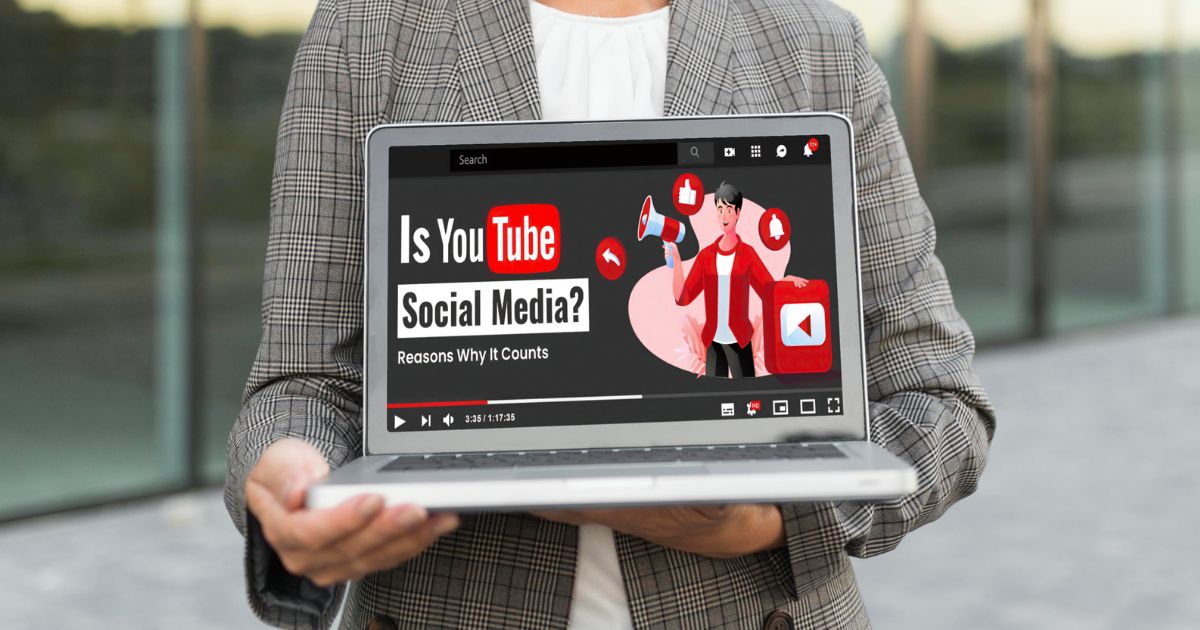
Is YouTube Social Media? Everything Businesses Should Know
 Published:
May 4th, 2026
Published:
May 4th, 2026

Yes, YouTube is social media. It lets users share videos, interact, and build communities, making it a powerful platform for business growth and marketing.

Sahil Bansal
Founder & CEO
13 min read
- What Is Social Media?
- What Is YouTube?
- Why YouTube Is Considered Social Media?
- How YouTube Is Different from Other Social Media Platforms
- Benefits of YouTube for Businesses
- How Businesses Can Use YouTube as Social Media
- YouTube vs Other Social Media Platforms for Marketing
- Common Mistakes Businesses Should Avoid
- Future of YouTube as a Social Media Platform
- Conclusion
Share This Article
YouTube is no longer just a place to watch videos. It has evolved into a dynamic platform where people connect, share opinions, and build communities. From tutorials and product reviews to live streams and trending content, millions of users actively engage with each other every day.
Still, one question continues to create confusion: Is YouTube a social media, or just a video platform? At first glance, it seems like a space for video content only, which is why many people ask, is YouTube considered social media? But when you look closer, features like likes, comments, shares, and subscriptions clearly show strong social interaction, which is the core of any social media platform.
For businesses, understanding this difference is more important than it may seem. Treating YouTube as just a video hosting site can limit your results. When you start using it as a social media channel, it opens the door to better audience engagement, stronger relationships, and long-term brand growth.
What Is Social Media?
Social media refers to online platforms where people create, share, and interact with content while connecting with others. Instead of just consuming information, users actively participate by posting their own content, engaging in conversations, and building relationships online.
At its core, social media is built around a few key features:
- User-generated content: Anyone can create and publish content, whether it’s text, images, or videos.
- Interaction: Users can like, comment, share, and respond to content, making communication two-way rather than one-sided.
- Community building: People with similar interests can connect, follow each other, and form engaged communities over time.
Some of the most popular examples of social media platforms include Facebook, Instagram, TikTok, and LinkedIn. These platforms highlight how social media is not just about content, but about interaction and connection.
What Is YouTube?
YouTube is a global platform where people can upload, watch, and share videos on almost any topic, which leads many to wonder, does YouTube count as social media? From entertainment and education to product reviews and tutorials, it has become a go-to place for both content creators and viewers looking for valuable or engaging content.
At a basic level, YouTube works through a simple system. Creators set up their own channels, where they upload videos regularly. Viewers can subscribe to these channels to stay updated, and they can interact with content by liking, commenting, and sharing videos. This setup allows creators to build an audience while giving viewers a personalized experience based on their interests.
Over time, YouTube has evolved far beyond a simple video-sharing website. It now includes features like live streaming, community posts, Shorts, and direct audience interaction. These additions have transformed it into a more interactive platform where users do not just watch content but actively engage with it and with each other.
Why YouTube Is Considered Social Media?
YouTube is widely considered a social media platform because it goes far beyond simply hosting videos. In fact, YouTube is a social media platform due to its strong focus on interaction and community. It offers multiple ways for users to interact, connect, and build relationships, which are the core elements of social media.
- Engagement features: Users can like, comment, share, and join live chats, creating two-way interaction instead of passive viewing.
- Creator-audience relationship: Creators can directly connect with their audience, reply to comments, and build trust over time.
- Algorithm-driven content discovery: The platform recommends videos based on user behavior, keeping people engaged and encouraging interaction.
- Community posts and memberships: Creators can share updates, polls, and exclusive content, helping build stronger and more active communities.
- User-generated content: Anyone can create and upload videos, making it an open platform driven by its users.
- Sharing and virality: Content can easily be shared across platforms, helping videos reach a wider audience quickly.
- Subscription system: Users can follow channels they like, similar to following accounts on other social media platforms.
How YouTube Is Different from Other Social Media Platforms
YouTube stands out from other social media platforms because of how its content works and how users engage with it over time.
- Focus on long-form video content
Unlike platforms that prioritize short posts or quick updates, YouTube is built around longer, more detailed videos. This allows creators and businesses to explain topics in depth, share stories, and provide real value. - Strong search engine capabilities
YouTube works similarly to a search engine, where users actively look for content using keywords. This makes it easier for videos to be discovered over time, especially when they are properly optimized. - Content lifespan (evergreen vs short-lived posts)
Content on YouTube tends to last much longer. A well-made video can continue getting views for months or even years, unlike posts on many social platforms that fade quickly after a few days. - Monetization opportunities
YouTube offers multiple ways to earn, including ads, memberships, and brand partnerships. This makes it attractive not only for creators but also for businesses looking to generate revenue directly from their content.
Benefits of YouTube for Businesses
Using YouTube as part of your marketing strategy can bring strong, long-term results. Here’s how it benefits businesses:
- Brand awareness through video content
Videos make it easier to showcase your brand, products, and values in a way that grabs attention and stays memorable. - Builds trust and authority
Sharing helpful content, tutorials, or insights positions your business as an expert, making it easier for customers to trust you. - Long-term content visibility
Unlike short-lived posts, YouTube videos can continue getting views and traffic for months or even years after publishing. - High engagement potential
Viewers can like, comment, and share your content, helping you connect directly with your audience and build relationships. - Opportunity for storytelling and product demos
You can explain your products, show real-life use cases, and tell your brand story in a more engaging and convincing way.
How Businesses Can Use YouTube as Social Media
YouTube can be much more than a place to upload videos. When used strategically, it works like a powerful social media channel that helps businesses connect and grow.
Create valuable and consistent content
Focus on videos that educate, entertain, or solve problems for your audience. Consistency helps build trust and keeps your brand visible over time.
Optimize videos for search (SEO on YouTube)
Use the right keywords in titles, descriptions, and tags so your content appears when people search for related topics. This improves visibility and brings in long-term traffic.
Engage with your audience
Reply to comments, ask questions, and use community posts to keep the conversation going. This interaction helps build a loyal and active audience.
Collaborate with creators
Partnering with other creators or influencers can help you reach new audiences and build credibility faster.
Use ads and promotions
YouTube ads can boost your reach and target the right audience, helping you generate leads, traffic, and sales more effectively.
YouTube vs Other Social Media Platforms for Marketing
When it comes to marketing, social media and YouTube work differently compared to platforms like Instagram and Facebook. Each has its strengths, and understanding them helps you choose the right approach.
Comparison with Instagram and Facebook
| Feature | YouTube | ||
| Content Type | Long-form, in-depth videos | Short-form videos, images, reels | Mixed content (posts, images, short videos) |
| Content Lifespan | Long-lasting (months or years) | Short-lived (hours to days) | Short to medium lifespan |
| User Intent | Search-based (learning, research) | Browsing and entertainment | Social interaction and updates |
| Engagement Style | Comments, likes, subscriptions | Likes, comments, shares, reels | Likes, comments, shares, groups |
| Best For | Tutorials, reviews, storytelling | Trends, quick content, brand visibility | Community building, updates, ads |
| Visibility | Grows over time (SEO-driven) | Peaks quickly, then drops | Peaks quickly, limited long-term reach |
When to choose YouTube over others
YouTube is the better choice when you want to educate your audience, explain products in detail, build authority, or create content that continues to generate traffic over time. It’s ideal for tutorials, reviews, and storytelling that need more time and depth.
Multi-Platform Strategy for Maximum Growth
Instead of relying on a single platform, a smarter approach is to combine multiple channels to get the best results. By using YouTube along with Instagram and Facebook, you can balance long-term visibility with quick engagement.
- Create in-depth content on YouTube
Focus on detailed videos like tutorials, reviews, and guides that provide long-term value. - Repurpose content for Instagram and Facebook
Turn key moments into short clips, reels, or posts to grab quick attention. - Drive traffic back to YouTube
Use captions, links, and calls-to-action to guide users from short-form platforms to your full videos. - Balance short-term and long-term results
Instagram and Facebook bring instant engagement, while YouTube builds steady, long-lasting traffic. - Stay consistent across platforms
Maintain the same brand voice and messaging to create a strong and recognizable presence.
Common Mistakes Businesses Should Avoid
When using YouTube, many businesses miss out on results because of a few avoidable mistakes. Here’s what to watch out for:
- Posting without a strategy: Uploading random videos without a clear goal can lead to low engagement and poor results. Every video should have a purpose, whether it’s to educate, attract, or convert.
- Ignoring audience engagement: Not replying to comments or interacting with viewers can make your brand feel distant. Engagement builds relationships and encourages people to return.
- Focusing only on selling: Constantly promoting products can turn viewers away. It’s better to provide value first and build trust before pushing sales.
- Inconsistent uploads: Posting irregularly makes it hard to grow an audience. A consistent schedule helps keep your brand top of mind.
- Not optimizing titles, thumbnails, and descriptions: Even great content can go unnoticed without proper optimization. Strong titles, eye-catching thumbnails, and clear descriptions improve visibility and clicks.
Future of YouTube as a Social Media Platform
YouTube continues to evolve, and its role as a social media platform is only getting stronger. For businesses, this means more opportunities to connect with audiences in creative and impactful ways.
- Growth of video content: Video is becoming the most preferred type of content online. More users are choosing to watch rather than read, which makes YouTube a key platform for reaching and engaging modern audiences.
- Rise of Shorts and live streaming: Short-form videos and live streams are gaining massive popularity. Features like YouTube Shorts and live streaming allow businesses to stay relevant, share quick updates, and interact with their audience in real time.
- Increasing importance for digital marketing: YouTube is no longer optional for brands. It is becoming a core part of digital marketing strategies, helping businesses build awareness, drive traffic, and generate long-term results through consistent video content.
Conclusion
YouTube is clearly more than just a place to watch videos. In reality, YouTube is a social media platform that businesses should take seriously. With its strong focus on interaction, community building, and content sharing, it fits perfectly into the definition of social media.
For businesses, the key takeaway is simple: we should not treat YouTube as just a video hosting platform. Instead, we can use it as a powerful social media channel to build trust, reach the right audience, and create long-term growth through consistent and valuable content.
At Webcazador, we believe that the sooner we start leveraging YouTube as part of a smart marketing strategy, the stronger our results can be. By focusing on content that connects, engaging with our audience, and staying consistent, we can build a brand that people recognize and trust over time.
Frequently Asked Questions
➢ YouTube
➢ TikTok
These platforms dominate because they offer strong user engagement, large audiences, and multiple content formats that keep users active daily.
Related Posts
Micro Influencers vs Macro Influencers: What Brands Need to Know
Micro influencers offer higher engagement and niche trust, while macro influencers provide wider reach and visibility for large-scale brand awareness.
By Sahil Bansal

User Generated Content (UGC) Marketing: What It Is and Why Brands Use It
User Generated Content (UGC) marketing uses customer created photos, videos, and reviews to build trust, boost engagement, and increase brand awareness.
By Sahil Bansal
Best Time to Post on Instagram in 2026: A Complete Guide
9 AM–11 AM, 12 PM–2 PM, and 5 PM–7 PM are widely considered the most effective global engagement periods across major Instagram audiences in 2026.
By Sahil Bansal