
What Is Included in SEO Services: A Detailed Breakdown for Businesses
 Published:
April 21st, 2026
Published:
April 21st, 2026

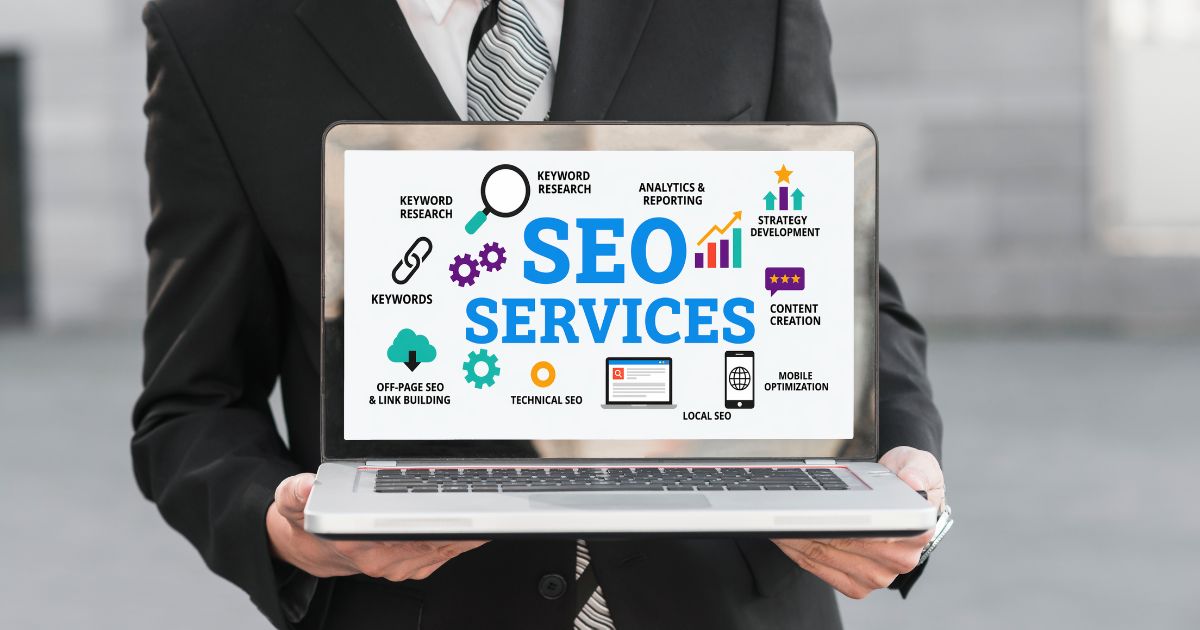
SEO services include keyword research, on-page optimization, technical SEO, content creation, link building, and tracking to improve rankings and growth.

Sahil Bansal
Founder & CEO
12 min read
In today’s competitive digital landscape, simply having an online presence is not enough. Businesses need strong visibility, relevance, and authority to stand out in search results. Search engines play a major role in how customers discover products and services, making SEO essential for growth.
Without proper optimization, even well-designed websites may fail to attract quality traffic or generate leads. As competition grows, businesses are increasingly investing in SEO to improve rankings, drive organic traffic, and build long-term credibility. This raises an important question: what is included in seo services, and how does it support sustainable business growth?
Understanding SEO Basics
What Is an SEO Service?
An SEO service refers to the process of improving a website so it ranks higher on search engines like Google and attracts organic (unpaid) traffic. Instead of relying on ads, SEO focuses on making your website more relevant, useful, and trustworthy for users and search engines.
Why Does It Matter
For beginners, the seo services meaning can be understood as a combination of strategies and techniques used to increase visibility, drive quality traffic, and improve online presence. This includes optimizing content, fixing technical issues, and building authority through links—all aimed at helping your business get discovered by the right audience.
SEO Explained for Businesses
From a practical business perspective, the seo services definition goes beyond just rankings. It’s about aligning your website with user intent, ensuring your content answers real questions, and creating a seamless experience that converts visitors into customers.
So, what are seo services in a business context? They are a structured set of activities—like keyword research, on-page optimization, technical improvements, and link building—that work together to improve your website’s performance in search results. These services play a key role in digital marketing by supporting brand visibility, lead generation, and long-term growth without ongoing ad spend.
Where SEO Fits in an Organization
A common question businesses have is: seo comes under which department? In most organizations, SEO is part of the digital marketing or marketing department. However, its scope often overlaps with other teams.
For example, SEO collaborates with content teams for blog creation, developers for technical fixes, and even product or sales teams to align with customer needs. In growth-focused companies, SEO may also fall under a broader growth or performance marketing function, as it directly contributes to traffic, conversions, and revenue.
Core Components: What SEO Services Include
1. On-Page Optimization
On-page SEO focuses on optimizing elements within your website to improve search visibility and user experience. This includes refining content to match user intent, strategically placing keywords, and optimizing titles, meta descriptions, headers, and internal links. A well-structured page not only helps search engines understand your content but also keeps users engaged.
In simple terms, SEO services include improving every on-page element that directly impacts how your website is read, ranked, and interacted with by both users and search engines. Proper on-page optimization ensures your content is relevant, accessible, and aligned with what your audience is searching for.
2. Technical SEO
Technical SEO deals with the backend structure of your website, ensuring it is easy for search engines to crawl, index, and rank. This includes improving website speed, ensuring mobile responsiveness, fixing broken links, optimizing site architecture, and implementing secure protocols like HTTPS.
A typical search engine optimization services description includes technical improvements as a core part, because even the best content cannot perform well if the website has underlying technical issues. Strong technical SEO creates a solid foundation that allows all other SEO efforts to deliver better results.
3. Off-Page SEO
Off-page SEO focuses on activities outside your website that help build its authority and credibility. The most important aspect of this is link building—earning high-quality backlinks from reputable websites. Other strategies include brand mentions, guest posting, and outreach campaigns.
When businesses ask what does seo services include, off-page SEO is a crucial part of the answer. It signals to search engines that your website is trustworthy and valuable, which significantly impacts rankings. The stronger your website’s authority, the higher its chances of appearing at the top of search results.
Different Types of SEO Services
1. Local SEO
Local SEO is designed to help businesses appear in location-based searches, especially for users looking for nearby products or services. This includes optimizing your Google Business Profile, managing local citations, and ensuring consistent business information across directories. It also involves gathering reviews and targeting location-specific keywords to improve visibility in map results and local search listings. For small and service-based businesses, local SEO plays a key role in attracting high-intent customers within a specific geographic area.
2. E-commerce SEO
E-commerce SEO focuses on optimizing online stores to improve visibility for product and category searches. This includes enhancing product descriptions, optimizing category pages, improving site structure, and ensuring smooth navigation for users. It also involves managing duplicate content, implementing schema markup, and optimizing images for faster loading. A well-executed e-commerce SEO strategy helps drive qualified traffic, increase product discoverability, and boost conversions.
3. Enterprise & Technical SEO
Enterprise and technical SEO are tailored for large websites with complex structures, such as corporate platforms or high-traffic portals. These strategies involve handling large-scale site architecture, managing thousands of pages, improving crawl efficiency, and implementing advanced technical fixes. It also includes automation, data analysis, and continuous performance monitoring to maintain rankings at scale.
Together, these approaches highlight the different types of seo services available, each designed to meet specific business needs, industries, and growth objectives.
What Do SEO Companies Really Do?
To clearly understand the role of SEO companies, it helps to examine their ongoing responsibilities and day-to-day activities. SEO is a continuous process that involves regular analysis, optimization, and performance tracking to ensure consistent growth and improved search visibility over time.
Daily and Monthly Activities
SEO is not a one-time effort. It requires continuous monitoring, analysis, and optimization. On a daily and monthly basis, SEO professionals conduct website audits to identify issues, track keyword rankings to measure performance, and analyze traffic data to understand user behavior.
They also update and optimize content, fix technical errors, improve internal linking, and monitor competitors. Regular reporting is another key activity, where businesses receive insights into rankings, traffic growth, and overall campaign progress. These ongoing efforts help ensure that the website stays aligned with search engine algorithms and continues to improve over time.
Role of an SEO Company
An SEO company acts as a strategic partner that plans, executes, and refines optimization efforts based on business goals. They begin with in-depth research and strategy development, identifying opportunities for growth and areas of improvement.
From there, they handle execution by implementing on-page, technical, and off-page strategies while continuously analyzing results. SEO companies also adapt to algorithm updates, refine strategies based on performance data, and ensure long-term growth. Their role is to create a sustainable system that drives organic traffic, improves visibility, and supports overall business success.
What to Expect from an SEO Agency
Understanding what to expect from an seo agency helps you evaluate their effectiveness and ensures a smooth working relationship. Here are the key points to look for:
- Website Audit: A detailed analysis of your website to identify technical issues, content gaps, and SEO opportunities.
- Customized SEO Strategy: A clear plan covering keyword research, on-page optimization, technical improvements, and link-building activities.
- Regular Reports: Monthly or periodic reports showing keyword rankings, traffic growth, and overall performance metrics.
- On-Page and Technical Improvements: Continuous optimization of content, meta tags, site speed, mobile usability, and overall website structure.
- Content Recommendations or Creation: Guidance or support for creating SEO-friendly content that targets the right audience.
- Link Building Efforts: Strategies to acquire high-quality backlinks and improve website authority.
- Clear Communication: Regular updates through emails, calls, or meetings to keep you informed about progress and changes.
- Defined Timelines: Realistic expectations about when you can start seeing improvements, since SEO takes time.
- Ongoing Optimization: Continuous monitoring, testing, and refining of strategies based on performance data.
- Transparency and Accountability: Clear explanation of work done, results achieved, and next steps without hidden practices.
These points ensure you know exactly what you are getting when partnering with an SEO agency.
Breaking Down SEO Service Deliverables
A well-rounded SEO strategy is built on several key deliverables that work together to improve visibility, traffic, and conversions. Here is a breakdown of the most important components:
- Keyword Research: This is the foundation of any SEO campaign. It involves identifying the search terms your target audience is using and selecting keywords that align with your business goals. Proper keyword research helps ensure your content reaches the right users at the right time.
- Content Creation: High-quality, relevant content is essential for ranking and engagement. This includes blog posts, service pages, landing pages, and website copy that are optimized for both users and search engines. Content should address user intent, provide value, and naturally incorporate targeted keywords.
- Link Building: Link building focuses on acquiring backlinks from authoritative and relevant websites. These links act as signals of trust and credibility, helping improve your domain authority and search rankings. It often involves outreach, guest posting, and digital PR strategies.
- Performance Tracking: SEO is driven by data, so tracking performance is crucial. This includes monitoring keyword rankings, organic traffic, user behavior, and conversions. Regular analysis helps identify what is working, what needs improvement, and how strategies can be refined for better results.
Choosing the Right SEO Service Provider
Selecting the right SEO partner can directly impact your business growth, so it is important to evaluate both their capabilities and their approach before making a decision.
Factors to Consider
- Experience and Expertise: Look for a provider with proven experience in your industry or similar projects. Check case studies, past results, and client testimonials to understand their capabilities.
- Transparency in Process: A reliable SEO provider clearly explains their strategies, deliverables, and reporting methods. You should know what work is being done and why.
- Customized Strategy: Avoid one-size-fits-all approaches. The provider should tailor strategies based on your business goals, target audience, and competition.
- Clear Pricing Structure
Pricing should be straightforward with no hidden charges. Make sure you understand what services are included in the cost. - Communication and Reporting
Regular updates, detailed reports, and easy communication are essential for tracking progress and maintaining alignment.
Red Flags to Avoid
- Guaranteed Rankings
No one can guarantee top rankings on search engines. Such promises often indicate risky or unethical practices. - Lack of Transparency
If the provider is vague about their methods or avoids sharing details, it is a warning sign. - Use of Black Hat Techniques
Practices like keyword stuffing, spammy backlinks, or cloaking can harm your website in the long run. - Very Low Pricing
Extremely cheap services may indicate poor quality work or shortcuts that can damage your site. - No Reporting or Communication
If you are not receiving regular updates or performance insights, it becomes difficult to measure success.
Choosing the right SEO service provider is about finding a partner who is honest, strategic, and focused on delivering sustainable, long-term results. Webcazador is your ideal choice, with a team of professionals dedicated to delivering data-driven strategies and consistent growth for your business. We focus on transparent processes, customized SEO solutions, and measurable outcomes to ensure long-term success.
Conclusion
In today’s digital-first world, SEO has become a fundamental part of building a strong online presence and driving consistent business growth. From understanding the basics to exploring core components, service types, and deliverables, it is clear that SEO is a comprehensive and ongoing process rather than a one-time task.
Investing in SEO is no longer optional in a competitive digital environment. Businesses that focus on consistent optimization, quality content, and technical performance are more likely to build authority and stay ahead of competitors.
To achieve meaningful results, we need to consistently evaluate our SEO strategies, identify gaps, and refine our approach based on performance. By focusing on long-term value and continuous improvement, we can build a sustainable online presence that drives real business growth.
Frequently Asked Questions
Related Posts

Google No Longer Supports FAQ Rich Results for Most Websites
Google no longer shows FAQ rich results for most websites. FAQ schema now mainly works for trusted government and health websites only.
By Sahil Bansal
Local SEO vs National SEO: Which Strategy Is Right for Your Business?
Local SEO works best for location-based businesses, while national SEO helps brands reach wider audiences across multiple cities or regions.
By Sahil Bansal

Website Migration SEO Checklist for 2026
The website migration SEO checklist is a process to protect rankings, traffic, and backlinks during a website transition. It covers SEO best practices to ensure a smooth migration without harming SEO performance.
By Sahil Bansal