

What is a Good SEO Visibility Score? A Complete Guide
 Published:
April 1st, 2026
Published:
April 1st, 2026

What is a good SEO visibility score? Does it really matter? Discover in-depth about boosting your organic traffic with an improved website visibility score.

Sahil Bansal
Founder & CEO
14 min read
Ever feel like your website is invisible on Google? You are publishing good content, but things are not working in your favor. You are whispering on the internet while your competitors are shouting.
The pain is supposedly real. This pain is the reflection of why the visibility score exists!
Appearing in vital SERP features like featured snippets, AI overview, top-ranking results, and People Also Ask is a real challenge.
What is a Visibility Score?
Before we get into the nitty-gritty of what makes an ideal visibility score, let’s understand what a visibility score is. It is a percentage that reflects how often your website appears in search engines. Simply put, it is a metric that shows how well your website ranks for specific keywords. Higher rankings push your score up. However, weak keywords drag it down.
Why Does It Matter?
SEO visibility score shows progress. It also reveals patterns. It is considered the least emotional SEO metric as it also focuses on performance rather than feelings. SEO tools like SEMrush and Ahrefs calculate this score by analysing keywords position in Search Engine Result Pages [SERP]. The essence of the visibility score is straightforward; higher ranking defines higher visibility.
What is an Ideal Visibility Score?
You’ve probably opened an SEO tool to track your website’s visibility score and wondered: “Is this actually good?” “Is 30% bad?” “Is 50% impressive?”etc.
These questions may often pop into your mind. However, it is necessary to clear these questions from your head.
Google’s visibility score blends two things; your ranking position and keyword search volume. Most SEO tools install “visibility weight” to ranking positions. Each keyword is adjusted by its search volume.
Discovering what is a good visibility score is not a one-size-fits-all approach. It depends on parameters such as your niche, keywords, and competitors. However, a general benchmark may help analyze.
Let’s visualize it ideally:
| Rank Position | Estimated Visibility Weight |
| 1 | 100% |
| 2-3 | 60-80% |
| 4-6 | 40-55% |
| 7-10 | 10-30% |
| 11-20 | 1-8% |
| 20+ | <1% |
100% visibility score indicates greater visibility. This means you are effectively reaching your audience. This is an indicator of dominance visibility where you are effectively reaching your audience. On the other hand, less than 50% indicates decent visibility. It is an indicator of your competitors outperforming you. Low visibility shows that your website is barely visible. Thus, you need to take immediate action.
How to Calculate SEO Visibility Score
There is no particular formula to calculate website SEO visibility. However, there are common tools you can use for your business. These popular tools include Ahrefs, SEMrush, Moz, and others.
From the tool you chose, analyze:
- Target keyword
- Search Volume
- Ranking position
- Estimated CTR
Practical Steps to Improve SEO Visibility
So you are ready to boost your SEO score? But, from where to start? What would be the first step to improve your website’s visibility score? Learn to improve your visibility score with proven steps:
Step 1: Write Content On the Basis of User Intent
Content is the heart of a website’s visibility. When you start writing content, you need to target apt keywords for your industry. However, not every keyword will bring value and conversion. Analyze how users are searching for your product.
For example, let’s assume you are a SaaS agency offering high-end software tools. Instead of targeting broad keywords like “software tools” or “SaaS tools”, lay focus on how your target audience actually searches for these queries.
SEO tools like Ahrefs can assist you in targeting these keywords based on the user’s search intent. When you consider user search intent, try considering:
- Informational Intent: Include keywords like “ How To”, “ Why”, and “ What” in your search behavior.
- Commercial Intent: To compare different products, you can use keywords like “ Top Software Tools for Businesses”.
- Transactional Intent: Keywords like “Purchase” or “Shop” can help you turn leads into potential customers.
Step 2: Optimizing for SERP Features
AI Overview and featured snippets are the reason why Google is changing its search results. In the zero-click search world, you should optimize your page to rank high on search engines. You can make use of long-tail keywords to optimize your pages for AI overviews. SEO captures highly specific searches on the basis of user search intent. You can use them in your heading and content structure.
When your content clearly answers user questions, it’s more likely to be mentioned in various SERP features such as AI Overview, featured snippet, and knowledge panel. This is one of the most efficient ways to increase SEO visibility.
Step 3: Fixing Technical Issues
If you want to understand in-depth in regard to what is a good visibility score, you should be aware of technical glitches. Even the best content won’t rank on Google if search engines can’t crawl or understand your website.
What To Do?
- Focus on building broken links and indirect redirects.
- Analyse low-loading pages.
- Consider bad mobile design.
- Check duplicate content and canonical errors.
- Find missing or unstructured data.
Step 4: Build Quality Links
SEO visibility metrics often work on the basis of quality links. This includes both backlinks and internal links. Backlinks are known as links from other websites that point directly to your site. They tell search engines that your content is trustworthy and valuable. To support long-term SEO performance, effective strategies like learning How to Manage Your Backlinks for Long-Term SEO Growth play a key role in maintaining a strong link profile.
To build natural backlinks, you can focus on:
- Quality Over Quantity: One link from an authoritative site is better than many low-quality links.
- Earn Links Naturally: Create content that your audience wants to reference. This includes guides, case studies, or original research.
- Partnerships: Partner with industry-related blogs to earn high-quality backlinks.
Internal links are helpful to connect pages within your own website, guiding users and Google search engines towards your most important content. Internal links distribute authority by enhancing user experience. They also improve crawlability by ensuring search engines and users can easily find and engage longer with your content.
These internal links focus on:
- Using Descriptive Anchor Text with a linked page.
- Avoiding Excessive Linking to link it where it adds value to users.
Step 5: Build Ideal Topical Authority
Besides targeting keywords, Google focuses on depth and topic expertise. If you cover the topic comprehensively, provide flow and explanations from your perspective. To build topical authority, you need to:
- Create Content Clusters: Start by making a pillar page as the main topic, and create supporting articles that guide both readers and search engines.
- Cover All Aspects of a Topic: Include everything in regards to a topic, such as basics, why it matters, useful tips, and real-world examples.
- Link Relatable Content: Proper internal linking boosts engagement while reducing bounce rates.
Step 6: Track, Adjust, and Improve
SEO requires continuous attention. Once you’ve optimized your website content, you are required to monitor performance and identify what’s working and where your SEO strategy needs improvement.
Using SEO tools like GSC, SEMrush, and Ahrefs helps business houses monitor keyword rankings, analyze traffic scores, and fix issues. You can track your performance and adjust it as per your website.
The Role of AI in SEO Visibility
In 2026, AI is playing an integral role in SEO. Hence, ignoring this crucial component would be a missed opportunity. AI tools are designed to analyze vast amounts of data to offer insights that help refine your business SEO strategy and implement SEO services in the most effective way.
AI-powered tools can help:
- Analyze Competitor Strategies: Get better insights into what your next competitors are doing and identify opportunities to differentiate your product.
- Predict Trends: Use predictive analytics tools to stay ahead of search engine trends and user behavior.
- Optimize Content: AI helps suggest improvements for your content to make it more search-engine-friendly.
Embracing AI-related trends doesn’t mean replacing human effort; it’s about augmenting your skills to improve efficiency and effectiveness.
Common Pitfalls to Avoid
As you work to improve your website’s visibility score, there are some common factors or pitfalls to ignore. Avoiding these can save you time and effort:
- Keyword Stuffing: Overloading your content with multiple keywords can harm your rankings. Focus on natural integration.
- Neglecting Mobile Users: With the majority of searches happening on mobile devices, ensure your website is mobile-friendly.
- Ignoring Analytics: Data is your best friend. Regularly check your analytics to understand what’s working in your favor.
Ready to Improve Your SEO Visibility Score
Understanding what is a good SEO visibility score can help skyrocket your business. A strong visibility score means your business is constantly appearing in front of a targeted audience, driving more traffic, leads, and getting long-term success.
If you’re ready to improve your SEO visibility score to outrank your competitors, Webcazador is here to help. Our team of SEO experts offer SEO services specializing in data-driven strategies, technical SEO, and high-quality content that delivers measurable results.
Frequently Asked Questions
➢ Targeting right keywords
➢ Optimizing on-page SEO
➢ Creating engaging content marketing strategies
➢ Building backlinks
➢ Improving website speed
Related Posts
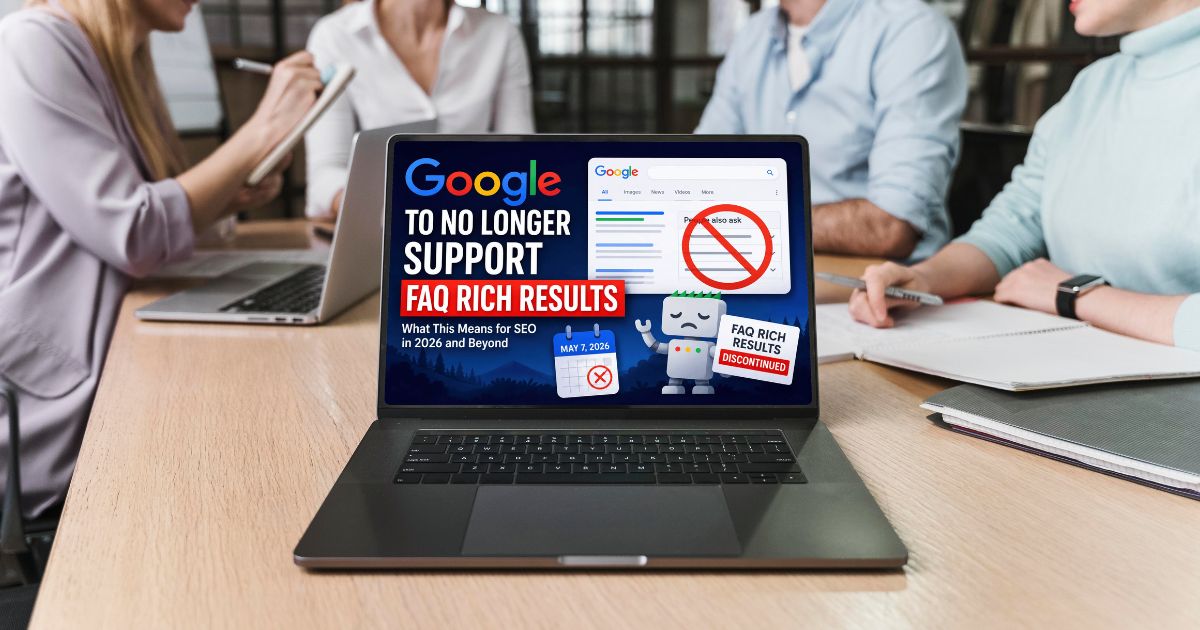
Google No Longer Supports FAQ Rich Results for Most Websites
Google no longer shows FAQ rich results for most websites. FAQ schema now mainly works for trusted government and health websites only.
By Sahil Bansal
Local SEO vs National SEO: Which Strategy Is Right for Your Business?
Local SEO works best for location-based businesses, while national SEO helps brands reach wider audiences across multiple cities or regions.
By Sahil Bansal

Website Migration SEO Checklist for 2026
The website migration SEO checklist is a process to protect rankings, traffic, and backlinks during a website transition. It covers SEO best practices to ensure a smooth migration without harming SEO performance.
By Sahil Bansal