

How Can SEO and Social Media Work Together in 2026?
 Published:
April 8th, 2026
Published:
April 8th, 2026

Learn how SEO and social media work together to boost a website’s visibility, drive traffic, and build authority for long-term business growth.

Sahil Bansal
Founder & CEO
16 min read
- What is Social SEO?
- Why SEO and Social Media Synergy Matters in 2026
- SEO and Its Relationship with Social Media
- Social Media and SEO Integration: 2026’s Biggest SEO Asset
- Understanding Social Media Impact on SEO in Influencing Brand Authority
- How Can SEO and Social Media Work Together for a Better Online Presence
- SEO VS SMM - Key Differences to Consider
Share This Article
2026 is the year of revolutions. The year gives social media and SEO a shared centrestage. The year combines both into a single strategy, “Social SEO Approach”.
Today, social media is not merely about searching and scrolling. It is a platform rewriting the rulebook for both organic search and organic social. TikTok, Instagram, Pinterest and YouTube are powerful discovery engines for users around the globe.
You must be intrigued to know;
A report by Forbes reflects 24% respondents prefer popular social media platforms for searching items and key topics such as restaurants, travel, fashion, and sports updates.
Wondering how can SEO and social media work together? This guide will walk you through an apt piece of information to get better clarity.
What is Social SEO?
Social SEO is a term that is widely popular among people. It is about making your website’s content easy to find on various social platforms. Social SEO’s scope is wider than just search engines. It is about understanding how people search on social media platforms like TikTok, YouTube, and Instagram. Weaving the right type of keywords into your posts, videos, and pins is helpful to rank higher on search engines.
Why SEO and Social Media Synergy Matters in 2026
In 2026, the search ecosystem has seen drastic changes. TikTok is a platform with its own results that look exactly like SERPs. YouTube is the second-biggest search engine. Around 95% of Pinterest’s users buy a product after seeing it. New search features on Instagram index captions and on-screen text.
The search results are no longer limited to Google-only. Brands that don’t pay adequate attention lose visibility. SEO and social media strategy should adapt to how users interact with your products.
To succeed in 2026, you must understand how can SEO and social media work together effectively.
SEO and Its Relationship with Social Media
In the beginning, social media and SEO look like individual marketing channels with separate goals. However, they are more connected than meets the eye. Social media impacts a brand’s online presence. It is a key component of an off-page SEO strategy.
Active social media engagement can lead to increased website traffic and brand awareness, which are vital factors in SEO. When you search for a brand online, its social media profile organically appears in search engine results pages (SERPs) on Bing or Google or in Google Business Profile. Thus, offering additional opportunities for more click-throughs.
Social Media and SEO Integration: 2026’s Biggest SEO Asset
Social media and SEO integration is the talk of the town. In 2026, search engines will no longer index websites. AI models in the current scenario evaluate:
- Brand Mentions
- Expert Consistency
- Topical Authority
- Public Signals
- Engagement Signals
- Consistency of Expertise
Social media content relies on SEO content to add a strong digital presence of your brand across search engines. AI is transforming how a user inputs a search query.
Instead of asking, “ Do you rank for this keyword”?, AI systems use, “Is your brand a trustworthy source of information”?
Understanding Social Media Impact on SEO in Influencing Brand Authority
Social signals such as shares, likes, comments, and mentions don’t directly impact your website rankings. They play a vital role in understanding how to incorporate social media into an SEO strategy by building visibility, value, and authority.
- Social Engagement for AI Visibility: Large language models are designed to analyse trending social content.
- High-Sharing Content Gets Better Backlinks: Viral social media posts attract creators who naturally link back to your website.
- Shared Content Help Expands Reach: Better visibility gets more branded searches and organic traffic.
- Engagement Drives Content Quality: Meaningful interactions reflect value and let search engines trust your content.
How Can SEO and Social Media Work Together for a Better Online Presence
SEO and social media work in synergy to boost your online presence and combine search visibility with audience engagement. SEO helps your website content rank on search engines, and social media amplifies its reach by driving traffic. Together, they help increase brand awareness and improve overall digital performance. Moreover, brands that know how can SEO and social media work together gain a competitive advantage in the digital landscape. Best-in-class social media services always focus on elevating your brand’s presence with the right engagement tools.
SEO keywords for Social Content
Keyword research is a goldmine to find the right content for social media. It is not limited to web pages or blog posts. If you understand what keywords users are searching for, you can create a successful social media and long-term SEO strategy.
Keyword research fuels your brand’s social media presence by:
- Optimizing Video Scripts and Captions: Use high-intent keywords while generating TikTok captions or video scripts to let your content reach the right audience.
- Trendy Visual Content: Make use of trending search queries for Instagram Reels or Pinterest pins to answer specific user questions.
- Search-Based Video Titles: Catchy YouTube video titles that match user queries in the search have more chances of appearing in Google search results.
- Cross-platform Discovery: Find a specific search query to create content that ranks well on both social search and traditional search engines.
Turn Top Blogs into Social Posts
You can use information from your blog posts in several ways. The ideal way is to put your article in many formats on multiple platforms. Transform your blog posts on social media through:
- Guide to Carousel Posts: Converting an in-depth tutorial into an Instagram or LinkedIn carousel for better engagement.
- Converting Data-loaded Articles into Infographics: Visualize statistics from your blog for X or Pinterest to make complex information easy to digest and share.
- Converting How-to posts into Short Videos: Use available SEO content writing scripts to create TikToks or YouTube Shorts targeting a specific problem.
- Converting Expert Opinion Content into Quote Graphics: Highlight LinkedIn or Facebook insight to establish authority and encourage community discussion.
- Case Studies into Breakdowns or Threads: Turn available success stories into an X thread to get results conversationally.
Build Backlinks Organically With the Help Of Shareable Social Content
Social media’s impact on SEO is huge. Link-building services are vital for SEO. However, if you share your content a lot on social media, you get backlinks naturally. The first step to getting high-quality backlinks from across the web is social amplification. Social sharing accelerates the link-earning process with the help of:
- Blog Distribution: Publish a research-backed post and share it with engaging captions to make it easy to be found by your industry peers.
- Visual Asset Sharing: Create infographics for various social platforms to let journalists and bloggers discover and embed visuals in their written articles.
- Digital PR Integration: Combine your digital efforts with PR services so that your top-rated content reaches the right tabs and newsfeeds.
- Niche Authority Building: Continuous social activity helps your brand get noticed for guest posting services and better collaborative opportunities.
For Example: A top nutrition brand uploaded a “Calorie Comparison Chart” infographic on Instagram. Health bloggers will discover it and embed it in their articles to enhance your brand’s visibility.
Use Social Listening for New Keywords and Content Ideas
To find new keywords, monitor conversations, and find popular topics on social media. It’s called “Social Listening”. For example, a famous travel agency monitors Facebook groups where an online user complains, “can’t find budget trips to Singapore.” Then, they craft a blog targeting the gap and start ranking within weeks.
Here’s how social listening pushes your content engine:
- Real-time Audience Insights: Monitor Reddit, TikTok comments, or Facebook groups to know what questions your target audience is asking.
- Trend Identification: Use popular tools like TikTok’s Creator Search Insights to learn about rising search trends before competitors.
- Direct-to-Consumer Feedback: LinkedIn discussions and Instagram polls act as a real-time source for a brand’s future topics.
- Identify Gap Analysis in Content: Identify common complaints or information in social discussions to explore better opportunities for your SEO content calendar.
Faster Content Indexing Through Social Sharing
With every new blog post on social media, Google scans your pages fast and lets brands rank organically. When a lot of activities happen around URLs, search engines make it a priority to crawl your content. Social signals accelerate your indexing process through:
- Triggering Search Engine Crawls: Googlebot sees a new URL and treats that as an engagement signal to crawl your page sooner.
- Fast Indexing for Sensitive Content: Social sharing is useful for new blogs, articles, or trend-related posts that need better visibility.
- Competitive Speed Advantage: Get your content into Google search results faster than all your competitors to capture the initial search interest.
- Technical SEO Synergy: Pairing technical SEO services with social services ensures that once the bot occurs, it can navigate a website without friction.
SEO VS SMM – Key Differences to Consider
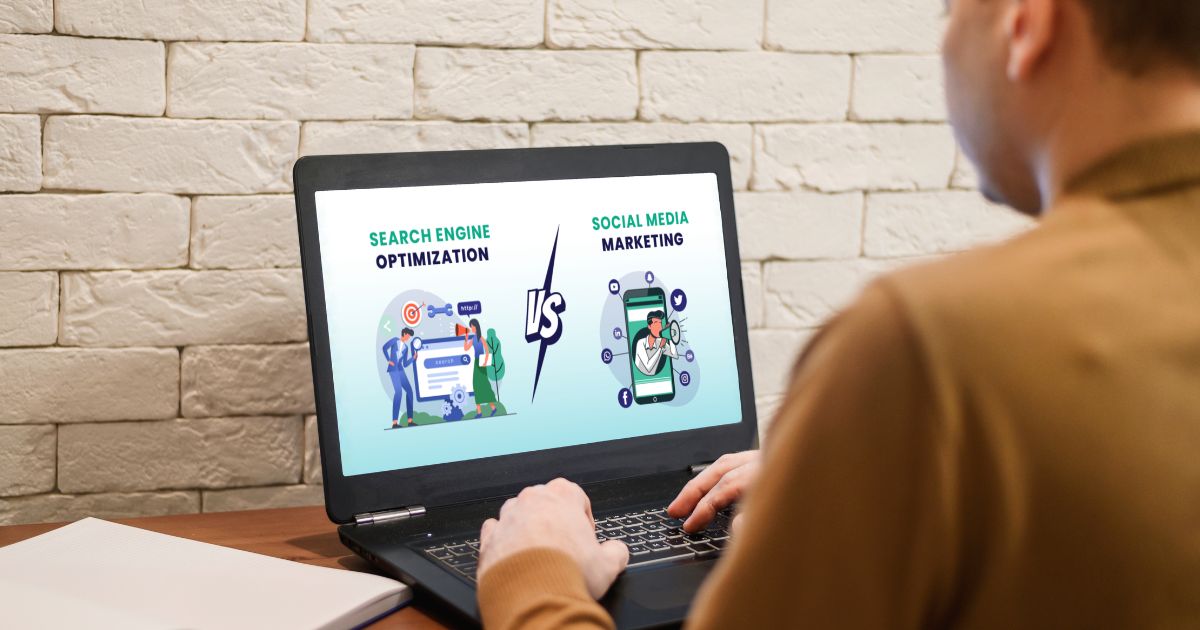
SEO and SMM are vital for a website’s long-term success. Both when combined gives a roadmap to rank high on search engines. However, there are certain differences between SEO and SMM that you should consider:
- Goals: SEO aims at increasing your website’s organic traffic. On the other hand, SMM aims at spreading brand awareness through social media platforms.
- Duration: SEO is a long-term strategy and results are visible in three to six months. Whereas, SMM provides immediate engagement and positive results for your brand.
- Content Strategy: SEO uses web content, blogs, and technical optimizations to rank your websites. Though, SMM utilizes visual, and interactive content to reach its target audience.
- Cost Factor: SEO cost depends on your company’s objective and can vary from company to company. SMM’s cost is quite high as it needs regular and fresh content to hook the audience.
What’s Next?
The way people search online is rapidly changing, and it’s not slowing down anytime soon. With its growing importance, you can understand how can SEO and social media work together. Platforms like TikTok, YouTube Shorts, and Reels aren’t just limited to conversation; they’re shaping it.
With the right SEO approach in line, you can:
- Craft content with the right content marketing strategy that’s driven by in-platform search demand.
- Align social and traditional SEO strategies.
- Stay updated on how platforms serve content, including AI.
- Improve brand visibility across search engines.
- Strengthen your overall digital marketing strategy.
At Webcazador, we help you turn discoverability into performance.
Frequently Asked Questions
Related Posts

How to Get More Patient Reviews for Your Hospital and Improve Credibility
Get more patient reviews with practical strategies, including timely review requests, direct review links, QR codes, staff involvement, and proactive review management.
By Sahil Bansal

Top 10 Healthcare Marketing Strategies for Hospitals & Clinics
Patient-first healthcare marketing strategies for 2026 that help hospitals and clinics build trust, boost visibility, and attract the right patients digitally.
By Sahil Bansal
SEO vs Social Media Marketing: Which Strategy Drives Better Results in 2026?
SEO vs social media marketing: SEO drives long-term traffic and conversions, while social media boosts visibility and engagement. Best results come from combining both.
By Sahil Bansal