
Dofollow vs Nofollow Links: Key Differences Explained
 Published:
May 8th, 2026
Published:
May 8th, 2026

Dofollow links pass SEO authority to improve rankings, while nofollow links don’t pass link equity but still drive traffic and visibility. Both are vital for a balanced backlink profile to maintain strong, natural SEO performanc

Sahil Bansal
Founder & CEO
12 min read
To follow or not follow? Well, we are not talking about Instagram follow or unfollow tactics, but dofollow and nofollow links.
Both hyperlinks are quite useful for SEO purposes. Dofollow links pass SEO value to help a particular website page rank higher. Nofollow links are quite helpful to drive traffic and signal credibility. These links don’t directly influence rankings.
But both differ in various aspects. When it comes to SEO strategies, understanding the distinction between dofollow vs nofollow links is a crucial aspect you’ll need to succeed in the ranking game.
What are Dofollow Links?
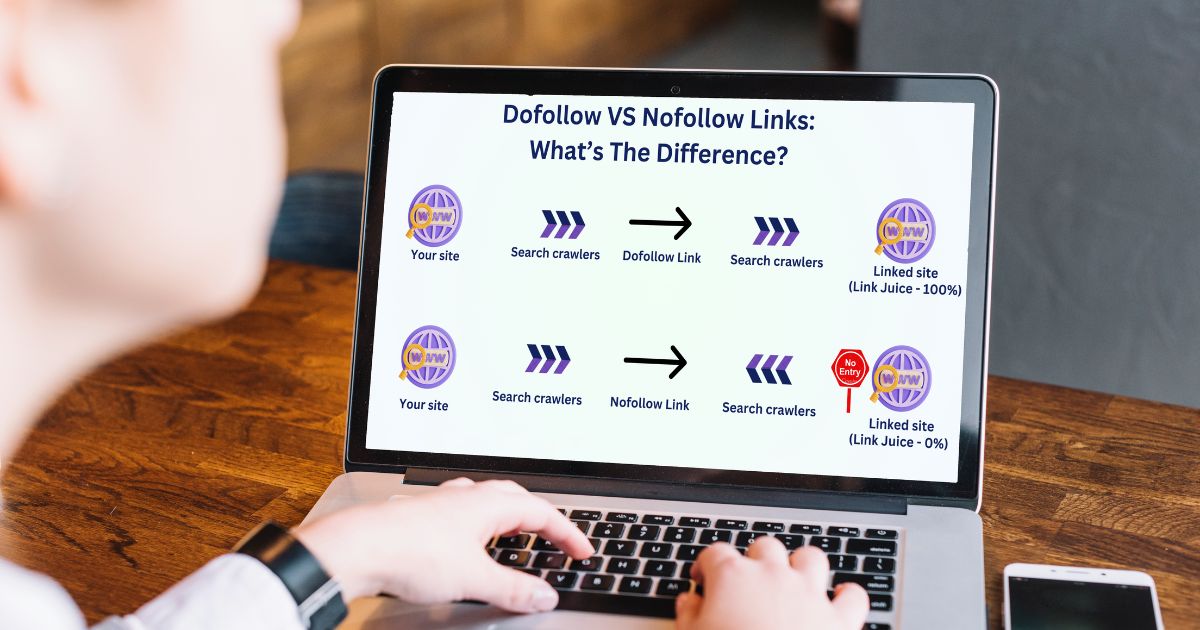
A dofollow link is known as a standard type of hyperlink that helps search engine bots to follow it and transfer SEO value known as “link equity” or “link juice,” from one website to another.
When any website has a dofollow link pointing to another page, it is vital to signal to search engines like Google that the linked content is relevant, trustworthy, and worth ranking. Nofollow links instruct search engines not to pass authority. However, dofollow links contribute directly to improving a website’s visibility in search results.
These links are not marked with any special attribute in the HTML default type of link unless otherwise specified. In SEO strategy, dofollow backlinks are highly valuable because they help build domain authority, increase organic traffic, and strengthen a website’s overall credibility in the eyes of search engines.
Does DoFollow Links Help SEO?
Dofollow links are one of the most important factors in SEO because they directly help improve a website’s search engine rankings.
When a website gives you a dofollow backlink, it allows search engines like Google to follow that link and pass authority (often called “link juice”) to your page. This transfer of authority signals that your content is trustworthy, relevant, and valuable, which can significantly improve your position in search results.
Dofollow links also help search engines discover and index your pages faster. If a high-authority website links to your content, it acts like a vote of confidence, increasing your domain authority and strengthening your overall SEO performance.
However, it’s not just about quantity—quality matters more than quantity. A few dofollow links from reputable, relevant websites can have a much stronger impact than many low-quality links.
In short, dofollow links play a direct role in boosting organic rankings, improving visibility, and building long-term authority in search engines.
What are Nofollow Links?
A nofollow link is a type of hyperlink that tells search engines not to pass SEO value, or “link juice,” to the website it points to. In simple terms, when a link is marked as nofollow, it signals to search engines like Google that the website owner is not necessarily endorsing or vouching for the linked page.
These links typically have a special HTML attribute rel = nofollow, which prevents search engine crawlers from using the link as a ranking factor.
Nofollow links are commonly used in situations where a website wants to link to external content without influencing its search engine rankings, such as in blog comments, paid advertisements, sponsored posts, or user-generated content.
These don’t have a direct impact on your SEO, as they may not directly improve SEO rankings, nofollow links still play an important role in driving referral traffic, increasing visibility, and maintaining a natural and balanced backlink profile. In an ideal SEO strategy, both dofollow and nofollow links are valuable because they contribute to a more organic and trustworthy link-building pattern.
Does Nofollow Links Help SEO?
Yes, nofollow links can help in SEO work, but in an indirect way. However, nofollow links do not pass “link juice” or may directly improve search rankings, but they still contribute to your overall SEO performance in many ways. For example, nofollow links bring referral traffic when users click from high-traffic platforms like blogs, forums, social media, or news sites. This type of traffic increases engagement, brand awareness, and conversions, all of which are positive signals for your website’s growth.
Moreover, nofollow links create a natural backlink profile. If a website only has dofollow backlinks, it may look unnatural to search engines. An ideal combination of dofollow and nofollow links signals that your link-building strategy is transparent and not manipulative. It supports a long-term SEO strategy.
In some cases, nofollow links from high-authority websites can also lead to indirect SEO benefits, such as faster indexing or even earning future dofollow backlinks if others discover and reference your content.
Dofollow vs Nofollow Links: Differences to Consider
In SEO, links plays vial role to determine how search engines evaluate and rank websites. Dofollow and nofollow links are the two most important types of links that every website owner and marketer should understand.
While both are used to connect web pages, they work differently in terms of passing authority, impacting rankings, and supporting overall SEO strategy. Understanding dofollow vs nofollow link differences helps in building ideal SEO strategy.
SEO Impact
Dofollow links have a direct impact on SEO because they pass link equity (authority) from one website to another. This helps improve rankings, domain authority, and overall visibility in search engines. When authoritative sites link to your content using dofollow links, search engines treat it as a strong trust signal, which boosts your chances of ranking higher in organic search results.
Nofollow links, on the other hand, do not pass SEO authority or directly influence rankings. Search engines are instructed not to count them as ranking signals. However, they still contribute indirectly by bringing referral traffic, improving brand exposure, and supporting content discovery across platforms like social media, forums, and news sites.
Effect
The effect of dofollow links is long-term SEO growth. They strengthen your website’s authority, help build trust in your domain, and improve keyword rankings over time. Each high-quality dofollow backlink acts like a vote of confidence for your content.
The effect of nofollow links is more indirect. They do not influence rankings, but they increase visibility and traffic. When users click on these links, they can land on your website, engage with your content, and potentially convert. They also help maintain a natural backlink profile, which is important for avoiding SEO penalties.
Importance
Dofollow links are important because they are one of the strongest ranking factors in SEO. Without them, it becomes very difficult for a website to build authority and compete in search engine rankings. They are essential for improving organic performance and establishing credibility.
Nofollow links are important for balance and diversification. While they don’t directly boost rankings, they make your backlink profile look natural. A healthy mix of dofollow and nofollow links signals to search engines that your SEO strategy is organic and not manipulative.
Goals
The main goal of dofollow links is to pass authority and improve search rankings. They are used when a website wants to endorse another page and strengthen its SEO value. The focus is on ranking improvement and authority building.
The goal of nofollow links is to provide references without passing SEO value. They are commonly used in paid promotions, sponsored content, comments, and external references where endorsement is not intended. The focus here is on traffic generation, control, and transparency.
Overall SEO Role
Dofollow links are primarily responsible for ranking power and authority building, making them essential for SEO success.
Nofollow links support SEO indirectly by driving traffic, improving visibility, and ensuring a natural backlink profile.
Together, both types create a balanced and effective SEO link-building strategy.
Effect on Website Growth
Dofollow links have a long-term effect on website growth. They help increase search engine trust, improve indexing speed, and strengthen overall site authority. Over time, they contribute to stable and sustainable organic traffic growth.
Nofollow links impact growth differently. They do not build authority but help increase visibility among real users. When users click and visit your site through these links, it can lead to engagement, brand recognition, and even conversions, especially if the traffic is highly targeted.
How to Check Nofollow and Dofollow Links?
You may often wonder, what type of links should be nofollow or dofollow? Understanding this is important to analyse backlinks and improve your SEO strategy.
Inspect Element Manually
One of the easiest ways is to use your browser’s inspect tool.
- Right-click on the link
- Click “Inspect”
- Look at the HTML code
If you see:
rel=”nofollow”
If there is no rel=”nofollow” attribute, it is usually a dofollow link (default).
View Page Source
You can check the full page source:
- Press Ctrl + U ( for Windows) or Cmd + Option + U ( forMac)
- Use Ctrl + F to search for the link
- Check if rel = nofollow is present
If it’s missing → the link is dofollow.
SEO Browser Extensions
Some tools automatically highlight link types. These tools visually show nofollow and dofollow links for in-depth SEO analysis.
- NoFollow Chrome Extension
- SEOquake
- MozBar
SEO Tools (Advanced Method)
Professional SEO tools are useful for analyzing backlinks in bulk. These tools include;
- Ahrefs
- SEMrush
- Moz
- Ubersuggest
These tools are helpful to show:
- Number of dofollow backlinks
- Number of nofollow backlinks
- Quality and source of links
WordPress Plugins
If you are thinking about running a WordPress website, plugins help in:
- Rank Math SEO
- Yoast SEO
- External Link plugins
These help identify and manage link attributes easily.
Conclusion
Dofollow and nofollow links both play an important role in SEO, but they serve different purposes in a website’s overall link profile. Dofollow links help improve search rankings, build domain authority, and pass SEO value from one site to another. Thus, making them a key element of any strong link-building strategy. In contrast, nofollow links do not pass ranking power, but they still contribute to SEO by driving referral traffic, increasing brand visibility, and helping maintain a natural and balanced backlink profile. Understanding dofollow vs nofollow differences helps you initiate a well-structured SEO strategy.
Though, a successful SEO strategy doesn’t depend on only one type of link. Instead, it requires a healthy mix of both dofollow and nofollow links to ensure credibility, trustworthiness, and sustainable growth in search engines.
Frequently Asked Questions
Related Posts
Google No Longer Supports FAQ Rich Results for Most Websites
Google no longer shows FAQ rich results for most websites. FAQ schema now mainly works for trusted government and health websites only.
By Sahil Bansal
Local SEO vs National SEO: Which Strategy Is Right for Your Business?
Local SEO works best for location-based businesses, while national SEO helps brands reach wider audiences across multiple cities or regions.
By Sahil Bansal

Website Migration SEO Checklist for 2026
The website migration SEO checklist is a process to protect rankings, traffic, and backlinks during a website transition. It covers SEO best practices to ensure a smooth migration without harming SEO performance.
By Sahil Bansal