
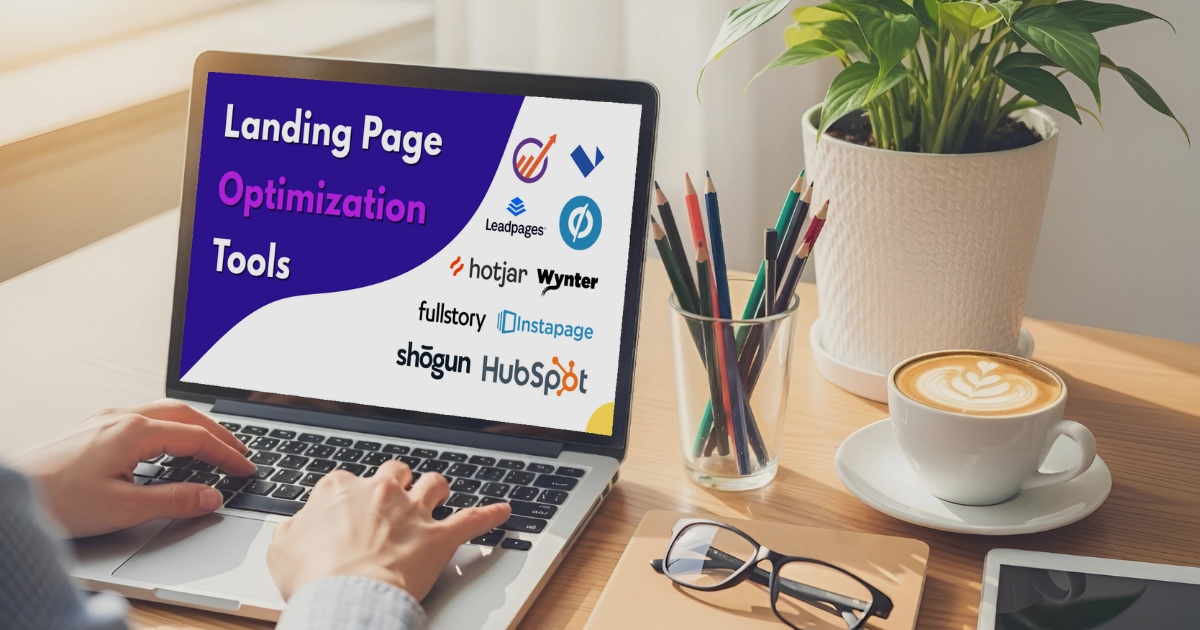
10 Landing Page Optimization Tools for Better Conversion in 2026
 Published:
December 31st, 2025
Published:
December 31st, 2025

Explore 10 top landing page optimization tools, key strategies, and best practices to boost conversions, engagement, and marketing performance in 2026.

Sahil Bansal
Founder & CEO
12 min read
In today’s digital-first landscape, simply having a website is no longer enough to drive business growth. To convert visitors into leads or customers, businesses need well-designed landing pages with a clear purpose and focused messaging.
Landing page optimization plays a crucial role in improving performance and conversions. When optimized correctly, landing pages attract the right audience and encourage meaningful action.
What is a Landing Page?
A landing page is a standalone web page created for a specific goal, such as generating leads, promoting an offer, or encouraging sign-ups. It is usually the first page users see after clicking on an advertisement, email link, or social media post.
Just like a storefront creates the first impression for a physical business, a landing page shapes the first impression of your online brand. A well-optimized landing page increases engagement and builds trust from the start. Using a comprehensive on-page optimization checklist helps ensure that every element, from headlines to visuals and calls-to-action, is fully optimized for maximum effectiveness.
Importance of Optimizing Landing Pages for Conversion
Optimizing landing pages is essential for maximizing the return on your digital marketing efforts. By refining key elements of a landing page, businesses can significantly improve conversion rates and turn more visitors into leads or customers.
Below are the key reasons why on-page optimization is critical for landing pages and how the right optimization tools support this process.
Higher Conversion Rates
A well-optimized landing page is designed to align closely with the needs and expectations of your target audience. Clear messaging, a strong value proposition, and minimal distractions encourage visitors to take the desired action. This focused approach leads to higher conversion rates and increased revenue potential.
Improves Ad Campaign Performance
Landing pages are a crucial element of successful advertising campaigns. When the page content aligns with the intent of your ads, visitors experience consistency, relevance, and a seamless journey. This alignment helps improve click-through rates, boost quality scores, and drive stronger results from targeted pay-per-click advertising campaigns for better lead generation and ROI, enhancing overall campaign performance.
Reduces Bounce Rates
High bounce rates often indicate a mismatch between user expectations and page content. Optimizing landing pages for relevance, clarity, and engagement helps retain visitors for longer periods. As a result, users are more likely to explore the page and take action rather than leaving immediately.
Stronger Audience Engagement
Engagement is key to building meaningful connections with your audience. Optimized landing pages use persuasive copy, compelling visuals, and clear calls to action to capture attention. These elements encourage users to interact with your brand and increase the chances of long-term engagement.
Increases Brand Trust and Credibility
A professionally designed landing page builds confidence in your brand. Trust elements such as customer testimonials, reviews, certifications, and security indicators reassure visitors that your business is reliable. This sense of credibility plays a major role in influencing conversion decisions.
Better Data and Performance Insights
Landing page optimization also provides valuable insights into user behavior. By monitoring metrics such as conversion rate, time on page, and bounce rate, businesses can identify what works and what needs improvement. These insights help refine marketing strategies and improve future campaign performance.
Note: Using effective targeted web page optimization tools is a crucial part of this journey. These tools provide actionable insights and testing capabilities that help refine landing pages and maximize results. With the right tools in place, businesses can ensure their landing pages resonate with the target audience and consistently drive meaningful actions.
10 Best Landing Page Optimization Tools
Here are some of the top landing page optimization tools that help businesses improve user experience and convert visitors into customers.
1. Unbounce

Unbounce is a powerful landing page optimization tool designed to help marketers build and optimize high-converting landing pages with ease. Its user-friendly interface allows users to create visually appealing pages without needing any technical or coding skills. Unbounce focuses heavily on conversion optimization, making it a popular choice for performance-driven campaigns.
Key Features:
- Drag-and-drop landing page builder for quick and easy page creation.
- A/B testing to compare different page versions and improve conversion rates.
- Dynamic text replacement to personalize content based on search terms or visitor data.
- Conversion-focused templates designed to drive user action.
- Built-in analytics and integrations with popular marketing tools.
2. Instapage

Instapage is a widely used landing page optimization platform known for its ease of use and strong focus on conversion performance. It enables marketers to quickly design, publish, and optimize landing pages without technical complexity, making it ideal for fast-moving campaigns.
Key Features:
- User-friendly drag-and-drop editor for building landing pages effortlessly.
- Large library of customizable, conversion-focused templates.
- Advanced analytics and heatmaps to track visitor behavior.
- A/B testing to evaluate page variations and improve results.
- Collaboration tools for teams to streamline feedback and approvals.
3. Leadpages
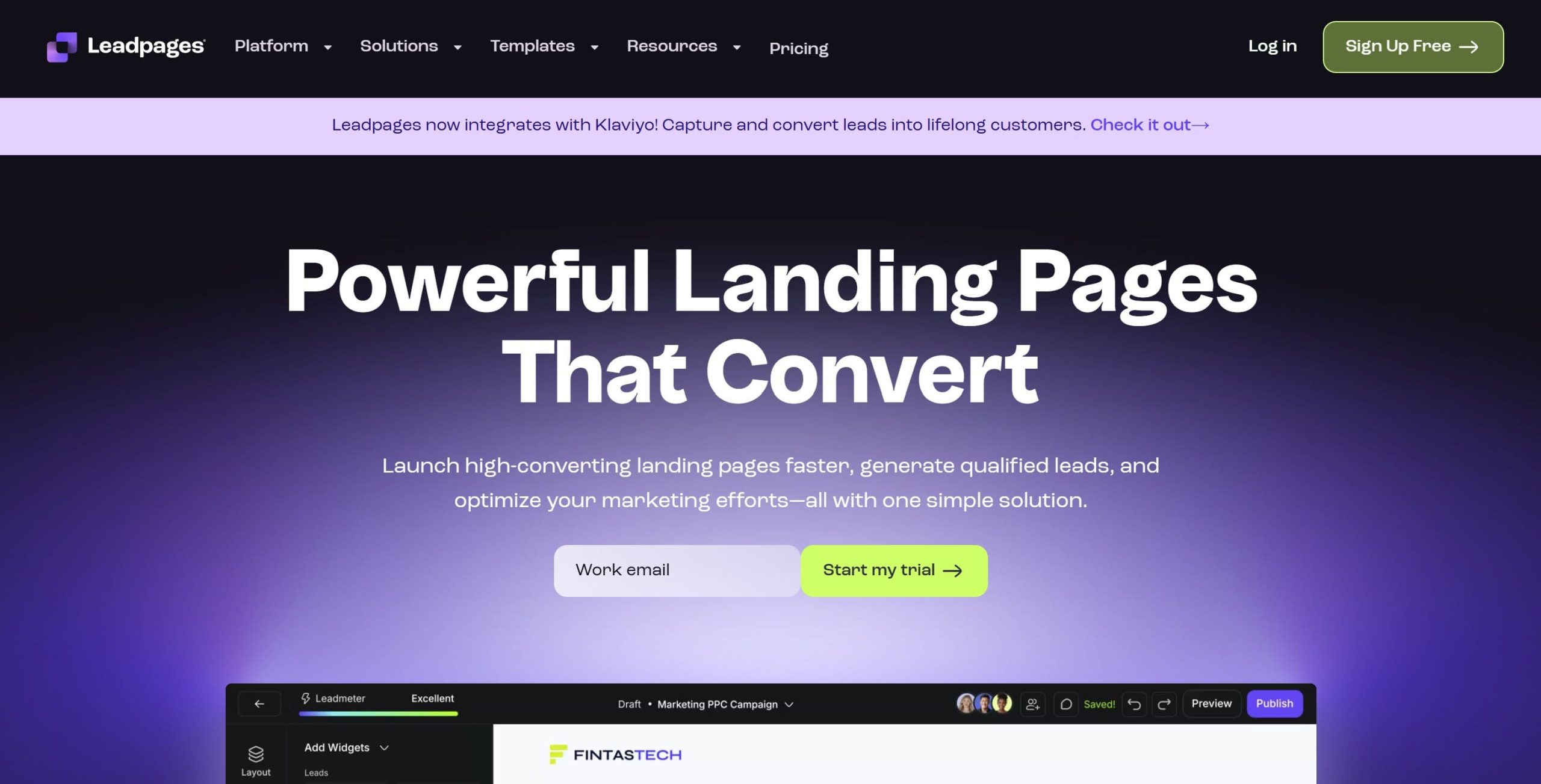
Leadpages is a versatile landing page optimization tool designed to support marketers at every experience level. Its intuitive interface and ready-to-use templates make it easy to build effective landing pages that look great and perform well across all devices.
Key Features of Leadpages:
- Drag-and-drop editor for quick and simple page creation.
- Mobile-responsive templates optimized for conversions.
- Built-in lead capture forms and pop-ups.
- Seamless integrations with tools such as Mailchimp and Salesforce.
- Analytics and performance tracking to measure results.
4. HubSpot

HubSpot’s offers a comprehensive marketing platform that includes powerful tools for landing page creation and optimization. It allows businesses to build personalized landing pages that align with audience behavior and preferences, helping improve engagement and conversion rates.
Key Features of HubSpot:
- Customizable landing page builder with personalization options.
- Seamless integration with HubSpot CRM for lead tracking.
- Advanced analytics to monitor page performance and conversions.
- Automated workflows to nurture leads through the sales funnel.
- Centralized dashboard for managing marketing campaigns.
5. Shogun

Shogun is a robust landing page builder created specifically for eCommerce businesses. It enables online retailers to design high-converting product and landing pages that enhance user experience and drive sales, without requiring technical expertise.
Key Features:
- Drag-and-drop page editor for flexible design control.
- Customizable templates tailored for eCommerce and product pages.
- Seamless integration with platforms such as Shopify and Magento.
- Mobile-responsive designs for consistent performance across devices.
- Optimization tools to improve page speed and conversion rates.
6. EngageBay

EngageBay is an all-in-one marketing platform that includes effective tools for landing page creation and optimization. It is designed to help businesses attract visitors, engage leads, and convert them through well-structured and easy-to-build landing pages.
Key Features:
- User-friendly landing page builder with no coding required.
- Customizable templates for professional-looking designs.
- Built-in analytics to track visitor behavior and conversions.
- CRM integration for managing and nurturing leads.
- Marketing automation tools to support lead engagement.
7. Hotjar

Hotjar is an advanced analytics tool that helps marketers gain deep insights into user behavior on landing pages. By understanding how visitors interact with pages, businesses can make informed decisions to enhance user experience and boost conversions.
Key Features:
- Heatmaps to visualize where users click, scroll, and engage.
- Session recordings to observe real visitor interactions.
- Feedback polls and surveys to gather user opinions.
- Conversion funnel analysis to identify drop-off points.
- Actionable insights for data-driven landing page optimization.
8. Landingi

Landingi is an intuitive landing page builder that helps marketers design high-converting pages quickly and efficiently. Its user-friendly interface and versatile templates make it easy to create professional-looking landing pages without any coding knowledge.
Key Features of Landingi:
- Drag-and-drop editor for effortless page creation.
- Wide selection of customizable, conversion-focused templates.
- Built-in A/B testing to compare page variations and improve results.
- Mobile-responsive designs for optimal performance across devices.
- Integration with popular marketing tools and CRMs.
9. Wynter

Wynter is a distinctive landing page optimization tool that focuses on improving conversions through real user feedback. It enables businesses to gather actionable insights from their target audience and make informed decisions to enhance page performance.
Key Features of Wynter:
- Tools to collect feedback from real users on landing page effectiveness.
- Insight reports highlighting areas for improvement.
- Audience testing to understand user preferences and behavior.
- Data-driven recommendations for optimizing landing pages.
- Focused on increasing engagement and conversion rates.
10. FullStory

FullStory is a comprehensive digital experience platform that offers detailed insights into how users interact with landing pages. By analyzing user behavior, businesses can identify friction points and optimize their pages for improved engagement and higher conversions.
Key Features of FullStory:
- Session replay to observe real user interactions.
- Funnel analysis to track user journeys and identify drop-offs.
- Error tracking to detect and resolve usability issues.
- Advanced analytics to understand visitor behavior.
- Actionable insights to guide landing page optimization.
Key Techniques for Landing Page Optimization to Improve Performance
Optimizing landing pages is essential for attracting visitors, engaging them, and increasing conversions. Focusing on key strategies ensures your pages deliver results efficiently and effectively.
Clear and Compelling Headline
The headline is the first element visitors notice and sets the tone for your landing page. A clear and compelling headline should communicate your offer, highlight its unique value, and resonate with your audience. When aligned with a strong content marketing strategy, persuasive headlines that address key pain points encourage visitors to explore further, improve engagement, and support higher conversion potential.
Engaging Visuals
Visual elements such as high-quality images, videos, or infographics help convey information quickly and make your landing page more appealing. Effective visuals reinforce messaging, demonstrate your product or service, and create an emotional connection with your audience. Well-chosen visuals improve user experience, maintain attention, and enhance overall credibility.
Strong Call-to-Action (CTA)
The call-to-action guides visitors toward completing a desired action, such as signing up or making a purchase. A strong CTA is visually prominent, uses action-oriented language, and conveys the benefit of taking immediate action. Effective CTAs motivate users, reduce hesitation, and increase conversion rates by making the next step clear and compelling.
Simplified Forms
Forms are critical for capturing leads, but can reduce conversions if overly complex. Simplifying forms by minimizing fields, offering autofill options, and streamlining submission improves user experience. Focus on collecting only essential information to reduce friction. Well-designed forms encourage more completions, increase lead quality, and support overall conversion goals effectively.
Mobile Responsiveness
As mobile traffic continues to increase, ensuring your web pages are fully responsive is crucial. Pages that load quickly and display correctly on all devices enhance user experience, keep visitors engaged, and guide them toward taking action. This approach supports a professional website design strategy to generate quality leads effectively.
Social Proof
Social proof is a powerful psychological phenomenon that can influence people’s perceptions and behavior. Incorporating social proof elements such as customer testimonials, reviews, case studies, and endorsements into your landing pages can help build trust and credibility, reassuring visitors that they’re making the right decision by engaging with your brand.
A/B Testing
A/B testing allows marketers to compare variations of page elements such as headlines, CTAs, images, or layouts. By analyzing performance metrics, you can identify which version drives better results. This data-driven approach removes guesswork, uncovers audience preferences, and enables continuous refinement of your landing pages to maximize engagement and improve conversion rates over time.
Page Load Speed Optimization
Fast-loading landing pages are essential for delivering a positive user experience. Slow pages can frustrate visitors and increase bounce rates. Optimizing images, reducing unnecessary code, and enabling browser caching improve load times. Faster pages also perform better in search rankings, helping attract more visitors and increasing the likelihood of conversions.
SEO Optimization
SEO optimization helps landing pages attract qualified organic traffic. Using relevant keywords, optimizing meta tags, headers, and URLs, and creating valuable content improves visibility in search results. Understanding search intent and following SEO best practices ensures landing pages rank higher, reach the right audience, and generate more leads and conversions.
What to Look for When Choosing Landing Page Optimization Tools
Choosing the right landing page optimization tool is essential for improving conversions and overall marketing performance. The ideal solution should support collaboration, provide actionable insights, and simplify the optimization process. Below are the key features to consider when selecting an effective tool.
- Team Collaboration and Access Control
A strong optimization tool should support multiple users working simultaneously. Team members should be able to access projects from different locations, save progress, and continue work without disruption. Role-based access and version control help ensure smooth collaboration and prevent workflow bottlenecks.
- Mobile Optimization Support
Mobile responsiveness is a must for modern landing pages. The tool should automatically adapt designs for different screen sizes and ensure smooth performance on mobile devices. Mobile-optimized pages improve user experience, reduce bounce rates, and increase the likelihood of conversions across all devices.
- Built-In A/B Testing
A/B testing is critical for identifying what works best. The tool should allow easy testing of page variations, such as headlines, layouts, images, or CTAs. This enables marketers to compare performance and make informed decisions based on real user behavior rather than assumptions.
- Pre-Optimized Templates
Professionally designed templates help speed up page creation while following conversion best practices. Access to multiple layouts allows businesses to launch campaigns quickly, test different designs, and scale efforts without sacrificing quality or performance.
- Actionable Performance Insights
Effective tools provide meaningful insights, not just raw data. They should help you understand how users interact with your landing pages and highlight areas that need improvement. These insights support smarter optimization decisions and continuous performance improvement.
- Real-Time Analytics and Key Metrics
Real-time analytics allow immediate tracking of landing page performance. Essential metrics include conversion rate, bounce rate, traffic volume, time on page, form abandonment, and page load speed. Access to current data helps marketers make quick adjustments and improve results faster.
- Intuitive User Interface
An easy-to-use interface ensures faster execution and fewer errors. Drag-and-drop editors, logical navigation, and clearly labeled controls allow users to focus on optimization rather than tool complexity. Built-in guidance or tutorials further enhance usability.
- Integration With Existing Marketing Tools
The tool should integrate seamlessly with CRM platforms, email marketing systems, analytics software, and automation tools. Smooth integrations ensure accurate data flow, better lead tracking, and a more efficient marketing workflow across all platforms.
Maximize Your ROI with Our Landing Page Optimization Solutions
Effective landing page optimization is essential for turning traffic into meaningful results. When done correctly, it improves user experience, increases conversions, and ensures your marketing efforts deliver measurable returns. Success comes not only from using the right tools, but from knowing how to apply them strategically.
At Webcazador, we combine advanced landing page optimization tools with deep expertise to help businesses achieve better outcomes. Our experienced team has a strong command of these tools and knows how to extract maximum value from them through data-driven testing, performance analysis, and continuous improvement. We focus on creating landing pages that engage the right audience, drive action, and support long-term growth.
If you are ready to elevate your landing pages and maximize ROI, we are here to help you optimize with confidence and achieve consistent results.
Frequently Asked Questions
Related Posts

How Many High-Quality Backlinks Do I Need to Rank on Google in 2026?
There is no fixed number of backlinks to rank in 2026. Rankings depend on competition, content quality, authority, relevance, and natural link growth.
By Sahil Bansal

Top 15 Benefits of Link Building in SEO That You Should Know
Link building improves SEO by boosting rankings, driving quality traffic, building authority, increasing trust, and strengthening long-term online visibility.
By Sahil Bansal

What Is a Canonical Tag and Its Importance in SEO?
A practical guide to canonical tags explaining how they guide search engines, consolidate SEO value, improve crawl efficiency, and strengthen site visibility.
By Sahil Bansal