
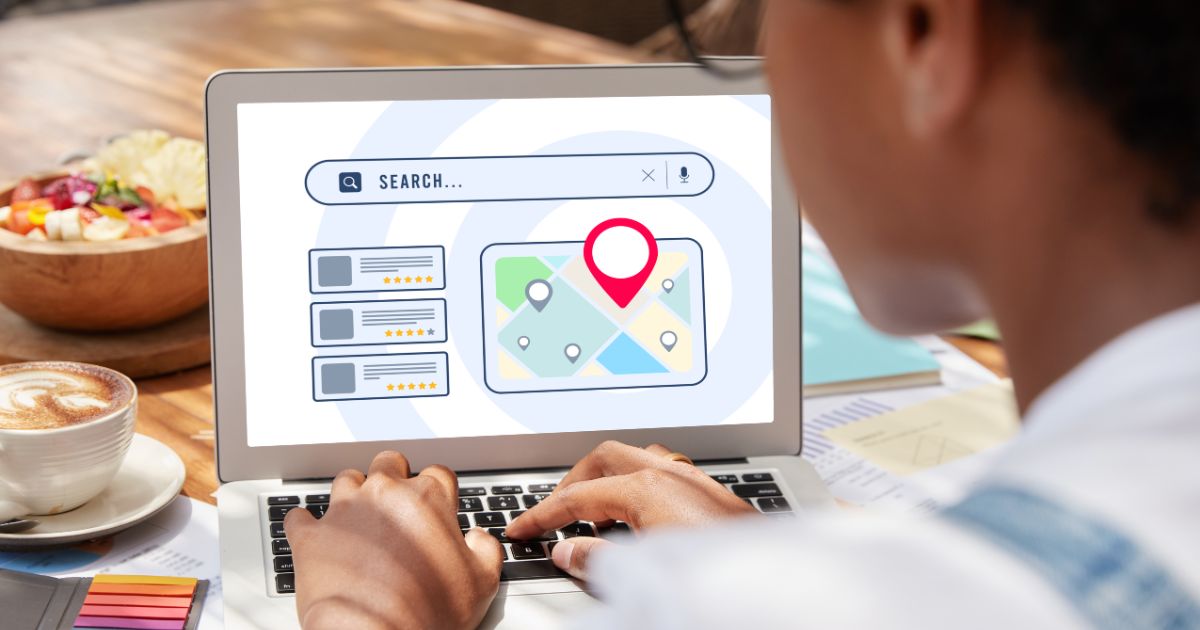
How to Rank Higher on Google Maps by Optimizing Your GMB Business Profile
 Published:
April 24th, 2026
Published:
April 24th, 2026

Optimize your Google Business Profile with accurate info, keywords, reviews, and updates to improve visibility and rank higher on Google Maps.

Sahil Bansal
Founder & CEO
14 min read
If your business is not appearing in the top Google Maps results, you are likely losing high-intent customers to more visible competitors.
In today’s digital-first world, ranking in Google Maps plays a vital role in local business success. When customers search for nearby services, those who rank on Google Maps gain instant visibility, trust, and more opportunities to convert. Understanding how to rank higher in Google Maps helps businesses capture high-intent traffic and stay ahead of competitors.
A strong local SEO Google Maps strategy ensures your business appears in the right searches at the right time. By focusing on Google Maps SEO and optimizing your business profile, you can improve search visibility, attract more local customers, and drive consistent growth in an increasingly competitive market.
Understanding Google Maps Rankings
Google Maps ranking refers to how businesses appear in local map results when users search for nearby products or services. It works by analyzing multiple signals to determine which listings are most useful and relevant based on the user’s query and location.
The main Google Map SEO ranking factors include relevance, distance, and prominence. Relevance shows how well your business matches a search, distance considers how close your business is to the user, and prominence reflects your reputation through reviews, backlinks, and overall online presence.
Unlike traditional organic SEO, search engine optimization for local Maps focuses more on local intent and location-based visibility rather than just website rankings. This is why many business owners ask how do I rank higher on Google Maps, as better positioning directly leads to increased visibility, trust, and customer engagement.
How to Rank Higher on Google My Business?
1. Setting Up and Verifying Your Google Business Profile
Setting up and verifying your Google Business Profile is a foundational step for improving visibility in local search results. Claiming your listing ensures you have full control over your business information, allowing you to manage how your brand appears to potential customers and build trust from the first interaction.
To properly set up your profile, start by entering accurate business details such as name, address, phone number, website, and operating hours. Select the most relevant business category, add a clear description, and include high-quality images to make your listing more engaging. Completing every section of your profile increases credibility and improves your chances of being discovered.
A well-optimized and verified profile directly impacts map ranking by improving accuracy, trust, and relevance. Businesses with complete and verified listings are more likely to appear in top map results, making this step crucial for long-term SEO success.
2. Optimizing Business Information for Better Visibility
Accurate and well-structured business information plays a major role in improving local visibility. Ensuring consistent NAP (Name, Address, Phone) details across your Google Business Profile and other online platforms helps build trust and avoids confusion for both users and search engines. Even small inconsistencies can impact your local performance.
Selecting the right business categories and clearly defining your services helps Google understand what your business offers and match it with relevant searches. Primary and secondary categories should reflect your core services to maximize visibility in targeted searches.
A clear and accurate business description strengthens your credibility and helps users understand your services. It should clearly explain what you do, where you operate, and how you add value, while naturally incorporating relevant search terms.
To improve listing on Google search and Maps, regularly update your information, add high-quality images, and keep your profile active. These efforts enhance credibility, increase engagement, and improve your chances of appearing in top local results.
3. Keyword Optimization for Google Maps SEO
Keyword optimization is essential for improving visibility in local search results. The key is to include high search volume keywords naturally rather than forcing them into your content.
Strategic placement of keywords plays a crucial role. Add relevant terms in your business description, services section, posts, and updates. This helps search engines better understand your offerings and improves your chances of appearing for related queries.
Using the right keywords helps your profile appear in relevant local searches and improves search visibility. When keywords are used correctly across your profile, it strengthens relevance, boosts visibility, and increases the likelihood of attracting high-intent local customers.
4. Managing Reviews and Ratings
Reviews from customers significantly affect how your business ranks on Google Maps by building trust and improving visibility. Businesses with a higher number of positive reviews and strong ratings are more likely to appear in top local results, as reviews signal quality and reliability to both users and search engines.
To generate more positive reviews, encourage satisfied customers to share their experiences through simple follow-up messages, emails, or in-person requests. Make the process easy by providing direct review links and delivering consistent service that naturally leads to good feedback.
Responding to reviews is equally important for engagement. Thank customers for positive feedback and address negative reviews professionally to show that you value customer experience. This interaction builds trust and improves your brand image.
Reviews also help you rank higher on Google My Business by increasing activity, relevance, and authority, ultimately boosting your overall local visibility.
5. Adding Photos, Posts, and Updates
Visual content plays a key role in improving map ranking by making your business more appealing and trustworthy. High-quality photos of your location, products, and services help customers understand what to expect, increasing engagement and the likelihood of choosing your business over competitors.
Using Google Posts is an effective way to keep your audience informed and engaged. You can share updates, offers, events, and news directly on your profile, which signals activity and relevance to search engines.
Keeping your profile active with regular updates ensures that your information stays accurate and fresh. This includes updating business hours, adding new images, and posting timely content.
These efforts strengthen trust signals for search engine optimization Google Maps, helping your business appear more reliable, relevant, and visible in local search results.
6. Building Local Citations and Backlinks
Building local citations and backlinks is a key part of strengthening your local SEO presence. Citations refer to online mentions of your business’s Name, Address, and Phone number (NAP) across directories, websites, and local listings. They help search engines verify your business details and improve trust, especially when information remains consistent across platforms.
Backlinks, on the other hand, are links from other websites pointing to your site, and they play an important role in improving your website’s authority and Google Maps visibility. High-quality, relevant backlinks signal credibility and boost visibility in local search results.
Additionally, listing your business on trusted directories like Google Business Profile, Yelp, and industry-specific platforms enhances Google Places optimization. These listings increase discoverability, ensure consistent business information, and support stronger rankings in local search and map results.
7. Leveraging Local SEO Strategies
Leveraging local SEO strategies plays a crucial role in improving visibility on Google Maps and driving local traffic. Your website and external SEO signals help strengthen your Google Maps rankings by improving authority and local relevance. Creating location-based content such as city pages, service-area landing pages, and localized blogs strengthens your presence for targeted keywords.
Optimizing your website to support Maps rankings involves improving on-page SEO, adding NAP consistency, embedding Google Maps, and enhancing mobile performance. Practical tips on how to do SEO for Google Places include optimizing your Google Business Profile, gathering positive reviews, using local keywords naturally, and building local backlinks and citations to boost authority and improve overall local search performance.
8. Tracking and Improving Performance
Tracking and improving performance is essential for sustaining strong visibility on Google Maps and Google Business Profile. Tools like Google Business Profile Insights, Google Analytics, Google Search Console, and local rank tracking tools help monitor your Google Maps ranking, keyword performance, and user engagement.
Google Business Profile Insights provides valuable data such as how customers find your listing, the number of calls, direction requests, and website clicks, helping you understand real user behavior. These insights allow you to refine your strategy based on what is working. Continuous optimization is key to improve your local ranking on Google Business Profile, including updating business information, adding new photos, collecting reviews, and refining keywords. Regular performance tracking ensures your local SEO efforts remain effective and aligned with changing search trends.
Common Mistakes to Avoid
- Incomplete or inconsistent business information (NAP issues)
Ensure your Name, Address, and Phone number are accurate and consistent across all platforms. Inconsistencies reduce trust and hurt rankings. - Keyword stuffing in profile
Overloading your Google Business Profile with keywords can look spammy and may lead to penalties or reduced visibility. - Ignoring reviews and customer engagement
Not responding to reviews or failing to encourage feedback can negatively impact your online reputation and local ranking. - Not updating business details regularly
Outdated hours, services, or contact information can confuse users and reduce conversions. - Poor category and service selection
Choosing irrelevant or too broad categories weakens your visibility for targeted searches. - Low-quality or missing images
Profiles without fresh, high-quality visuals often get less engagement. - No ongoing optimization efforts
Treating Google Business Profile as “set and forget” limits long-term growth. - Not seeking expert help when needed
Avoiding professional Google Maps SEO support can slow down ranking improvements and reduce competitive advantage.
When to Consider Professional Help
When your business is not appearing in local search results, struggling to generate calls or visits, or facing strong competition in your area, it is the right time to consider professional help. Google Maps SEO requires consistent optimization, accurate business information, and a strategic approach that can be difficult to manage alongside daily operations.
Hiring a SEO company to rank on Google Maps offers several distinct advantages, as experts focus on optimizing your Google Business Profile, managing reviews, building local citations, and improving overall visibility to attract high intent customers. With the right tools and experience, professionals can identify gaps, apply proven strategies like keyword optimization and competitor analysis, and improve map rankings much faster than trial and error methods.
Choosing the right SEO partner plays a key role in long term success, and working with a team that understands your business goals and delivers measurable results makes all the difference. WebCazador stands out as a reliable partner, helping businesses rank higher on Google Maps through tailored strategies, consistent optimization, and a results driven approach that ensures better visibility and growth in local search.
Conclusion
Ranking higher on Google Maps requires a combination of the right steps, including optimizing your Google Business Profile, maintaining accurate business information, using relevant keywords, building strong local citations, and consistently collecting and managing customer reviews. Success in local search does not come from one time efforts but from ongoing optimization, regular updates, and staying active on your listing.
Businesses that stay consistent with these strategies are more likely to improve their visibility, build trust with potential customers, and stand out from competitors. In the end, a strong Google Maps SEO strategy directly contributes to higher visibility, increased credibility, and better conversions, making it an essential part of long term business growth.
Frequently Asked Questions
Related Posts
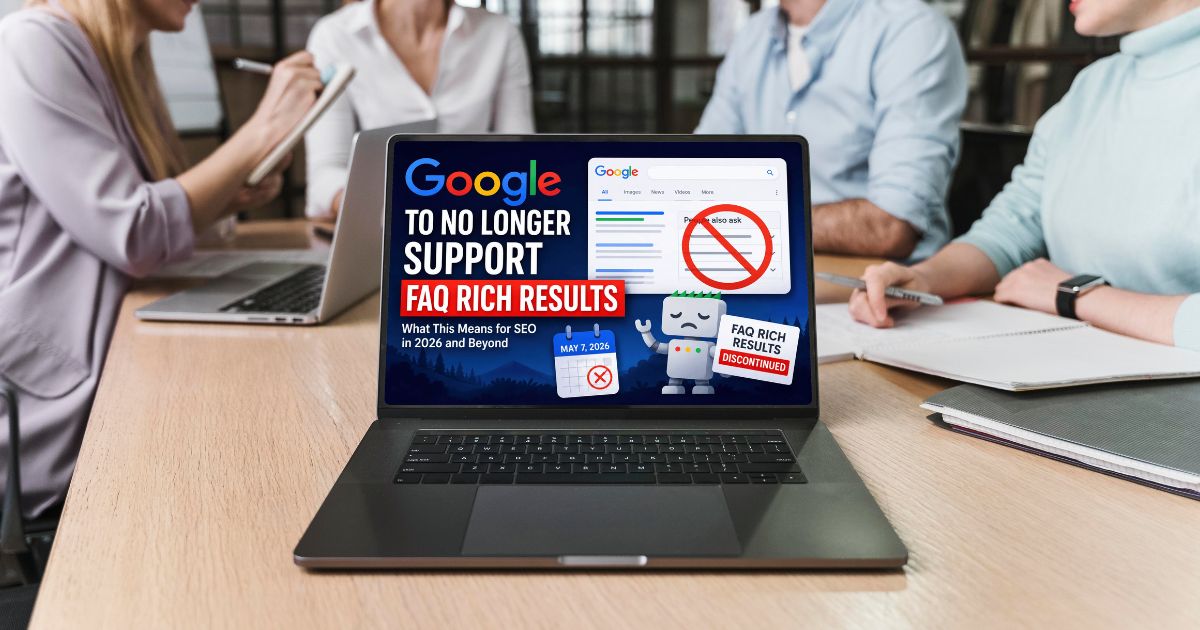
Google No Longer Supports FAQ Rich Results for Most Websites
Google no longer shows FAQ rich results for most websites. FAQ schema now mainly works for trusted government and health websites only.
By Sahil Bansal
Local SEO vs National SEO: Which Strategy Is Right for Your Business?
Local SEO works best for location-based businesses, while national SEO helps brands reach wider audiences across multiple cities or regions.
By Sahil Bansal
Website Migration SEO Checklist for 2026
The website migration SEO checklist is a process to protect rankings, traffic, and backlinks during a website transition. It covers SEO best practices to ensure a smooth migration without harming SEO performance.
By Sahil Bansal