

Best Place To Buy Backlinks Without Risking SEO
 Published:
April 28th, 2026
Published:
April 28th, 2026

Webcazador is the best place to buy backlinks safely, offering a trusted marketplace with high quality, relevant links that improve SEO without risking penalties.

Sahil Bansal
Founder & CEO
2 min read
Buying backlinks may seem like a shortcut to higher rankings, but one wrong move can harm your SEO. This is because backlinks play a key role as signals of trust and authority from other websites, directly influencing your visibility and search rankings. However, if done poorly, buying backlinks can be risky. Low quality or spammy links from irrelevant sites can lead to penalties, ranking drops, and long term damage to your website’s credibility.
Many cheap services focus on quantity over quality, which often backfires. That’s why it’s important to approach backlink building carefully. Instead of shortcuts, focus on safe, smart, and ethical strategies that prioritize high-quality, relevant links to ensure sustainable growth and protect your website’s SEO performance over time.
What Are Backlinks and Why Do They Matter?
Backlinks are simply links from one website to another. When another site links to your content, it’s like they’re recommending it. This tells search engines that your page has value and can be trusted.
The more relevant and trustworthy these recommendations are, the stronger your website looks. Because of this, backlinks play an important role in improving your search rankings and overall authority.
Search engines use backlinks to judge how popular and reliable your content is compared to others. Websites with strong, high-quality backlinks often rank higher because they are seen as more credible sources.
But remember, not all backlinks are the same. A few links from trusted and relevant websites are much more powerful than hundreds of low-quality or spammy ones. Focusing on quality over quantity helps you grow safely and build long term SEO success.
What Makes a Backlink Safe and High-Quality?
Not all backlinks help your SEO. The ones that truly make a difference are safe, natural, and come from trustworthy sources. Here are the key factors that define a high quality backlink:
Relevance
Backlinks should come from websites related to your niche or industry. When a relevant site links to your content, it sends a strong signal to search engines that your page is useful within that specific topic. For example, a link from a marketing blog to an SEO article is far more valuable than a random, unrelated site.
Authority
The strength of the website linking to you matters. High authority websites with strong domain metrics and real traffic pass more value. These sites are already trusted by search engines, so their recommendation carries more weight and helps boost your credibility.
Natural Placement
A good backlink should fit naturally within the content. Links placed inside meaningful paragraphs are much more effective than those forced into footers, sidebars, or spammy sections. Search engines prefer links that add value to the reader’s experience.
Anchor Text Diversity
Using a mix of anchor texts is important. If all your backlinks use the same keyword, it can look unnatural and raise red flags. A healthy backlink profile includes branded terms, generic phrases, and varied keywords to keep things balanced and safe.
Real Websites vs PBNs
Backlinks should come from genuine, active websites with real audiences. Private Blog Networks (PBNs) may seem like a shortcut, but they are risky and can lead to penalties. Search engines can detect these patterns, so it is always better to focus on earning links from real, trustworthy sites.
Focusing on these factors helps you build a strong backlink profile that improves rankings while keeping your website safe from penalties.
Where to Buy Backlinks Safely Without Hurting Your SEO
Buying backlinks can be risky if done the wrong way, but choosing the right sources can help you build authority without damaging your rankings. Here are some of the safest and most effective options:
Guest Posting Services
Guest posting is one of the most trusted ways to earn high-quality backlinks. It involves publishing well-written content on relevant websites within your niche, along with a natural link back to your site. When done through reliable platforms, it helps ensure your links come from real, authoritative websites with genuine audiences.
We provide guest post services to help you get high-quality links from relevant websites. We have a curated marketplace of strong, high-DR sites where your content can be published, ensuring better visibility, credibility, and long-term SEO value for your website.
Blogger Outreach Agencies
These agencies connect you with real bloggers and website owners. They handle outreach, content placement, and link building on your behalf. Since the links are placed on authentic sites, this approach is safer and more scalable than trying to build links manually.
Niche Edits (Contextual Links)
Niche edits involve adding your link to existing content on relevant, already indexed pages. Because the content is already performing and trusted by search engines, these links can provide quick value. The key is to ensure the placement feels natural and relevant within the content.
Digital PR and Link Earning Services
Digital PR focuses on getting your brand featured in news sites, blogs, and online publications. These backlinks are earned through valuable content, data, or stories, making them highly authoritative and completely safe. This method builds both SEO strength and brand credibility.
Freelance Marketplaces (Use with Caution)
Platforms like freelance marketplaces can offer backlink services at lower costs, but quality can vary widely. Some sellers use spammy tactics or low quality sites. If you choose this route, carefully review the provider’s work, check sample links, and avoid deals that seem too good to be true.
Choosing any of these methods with a focus on quality, relevance, and natural placement will help you build backlinks safely while building website authority.
Red Flags to Avoid When Buying Backlinks
Not all backlink offers are safe. In fact, some can seriously harm your website’s rankings if you are not careful. Here are the major warning signs to watch out for:
Extremely Cheap Packages
If a deal looks too good to be true, it usually is. Very cheap backlink packages often rely on low quality or automated links from spammy websites. These links provide little to no value and can even lead to penalties.
Guaranteed Rankings Promises
No one can guarantee top rankings on search engines. Providers who promise instant results or “page one rankings” are often using manipulative tactics that violate search engine guidelines. SEO takes time, and shortcuts can backfire.
Spammy or Irrelevant Sites
Backlinks from unrelated or poorly maintained websites send negative signals. If a site has thin content, excessive ads, or links to random industries, it is not a trustworthy source and can damage your SEO.
No Traffic Websites
A website with zero or very low traffic is a major red flag. High quality backlinks usually come from sites that have real visitors and engagement. Links from dead or inactive sites add little value.
Private Blog Networks (PBNs)
PBNs are networks of websites created only for link building. While they may seem effective in the short term, search engines are very good at detecting them. Getting links from PBNs can result in serious penalties and long term damage to your site.
Avoiding these red flags will help you invest in backlinks wisely and protect your website from unnecessary risks. Focus on quality, relevance, and authenticity for long term success.
How to Buy Backlinks Safely (Step-by-Step)
Buying backlinks the right way is not just about finding a provider. It is about following a structured process that protects your website and builds long-term SEO value. Here is a complete step by step approach:
Research Providers
Start by identifying trusted agencies or individuals with a strong reputation. Look for real case studies, verified reviews, and transparency in their process. Avoid anyone who hides their methods or overpromises results.
Check Site Metrics and Traffic
Always evaluate the website where your link will be placed. Focus on domain authority, organic traffic, keyword rankings, and overall content quality. A site with real traffic and engagement will provide far more value than one with just high metrics.
Review Sample Links
Ask for previous work samples. Check if the links are placed naturally within content, come from relevant sites, and are not surrounded by spammy or unrelated outbound links.
Ensure Niche Relevance
Relevance is critical. Make sure the website and content where your link appears are closely related to your industry. This improves both SEO impact and trust signals.
Check for Link Placement Type
Prefer in-content, contextual links over sidebar or footer links. Links placed naturally within high quality articles carry more weight and look more authentic to search engines.
Start with Small Orders
Do not invest heavily at the beginning. Test the provider with a few backlinks first. This allows you to assess quality, communication, and actual results without taking big risks.
Avoid Over-Optimized Anchor Text
Make sure the provider uses a natural mix of anchor texts, including branded, generic, and partial keywords. Too many exact match anchors can trigger penalties.
Track and Monitor Performance
After your links go live, track their impact. Monitor keyword rankings, organic traffic, and indexing status. This helps you understand what is working and where to improve.
Build Links Gradually
Avoid building too many backlinks too quickly. A steady and natural link growth pattern looks more authentic and reduces the risk of penalties.
Focus on Long Term Strategy
Do not rely only on buying backlinks. Combine it with content marketing, internal linking, and organic link building efforts. This creates a balanced and sustainable SEO strategy.
Note: Following these steps will help you buy backlinks safely while maintaining trust with search engines and achieving consistent growth. To achieve this, we use different strategies to acquire high-quality links, and we have also provided high-authority backlinks for various business websites across multiple industries such as dentists, travel, finance, and more. This ensures your links are relevant, niche-specific, and effective in strengthening your overall SEO profile.
Tools to Analyze Backlink Quality
To make sure your backlinks are helping and not harming your SEO, you need the right tools to analyze them. These platforms give you insights into link quality, authority, and overall performance:
Ahrefs
Ahrefs is one of the most powerful backlink analysis tools available. It lets you check referring domains, anchor text distribution, domain authority, and link growth over time. You can also analyze competitors to find new backlink opportunities.
SEMrush
SEMrush offers a comprehensive backlink audit feature that helps you identify toxic or spammy links. It also provides data on referring domains, authority scores, and link types, making it easier to maintain a healthy backlink profile.
Moz
Moz is known for its Domain Authority metric, which helps you quickly evaluate the strength of a website. It also allows you to track backlinks, analyze spam scores, and discover new linking opportunities.
Google Search Console
Google Search Console is a free tool that shows the backlinks pointing to your site directly from Google’s data. While it is less detailed than paid tools, it is highly reliable and useful for monitoring your overall link profile and identifying any issues.
Using a combination of these tools gives you a clearer picture of your backlinks, helping you focus on premium links and remove or avoid harmful ones.
Final Thoughts
Building backlinks the right way comes down to smart decisions and a long term mindset. Instead of chasing large numbers, focus on getting a few high value links from relevant and trusted websites. These are the links that actually improve rankings and build real authority.
It is also important to maintain a balance between buying backlinks and earning them naturally through valuable content and outreach. A well rounded approach keeps your backlink profile safe, natural, and effective.
SEO is not about quick wins. It is about consistent effort and sustainable growth. Taking shortcuts can lead to penalties, while a steady and strategic approach delivers lasting results.
If you are looking to build safe and high quality backlinks, we provide professional link building services focused on relevance, authority, and natural placement. Our approach is designed to help you grow your rankings without risking your website’s credibility.
Frequently Asked Questions
➢ Relevance of the linking site to your niche
➢ Authority and trust level of the website
➢ Placement of the link within meaningful content
➢ Traffic and engagement on the linking page
➢ Anchor text diversity to ensure natural linking patterns
Links that come from real, active websites and are placed naturally within useful content are considered the most valuable.
➢ Guest posting services
➢ Blogger outreach agencies
➢ Niche edit providers
➢ Digital PR agencies
➢ Freelance platforms (with careful vetting)
If you are looking for a reliable option, we provide backlink services focused on real websites, niche relevance, and safe SEO practices to help you grow without risking penalties.
➢ Create valuable content like guides, case studies, or research
➢ Do guest blogging on relevant, high-quality websites
➢ Use digital PR to get featured in articles or publications
➢ Build relationships with bloggers and industry creators
➢ Try broken link building by replacing dead links with your content
➢ Create shareable assets like infographics or tools
➢ Promote your content to increase visibility
Focus on value and consistency to grow your backlinks organically.
Related Posts
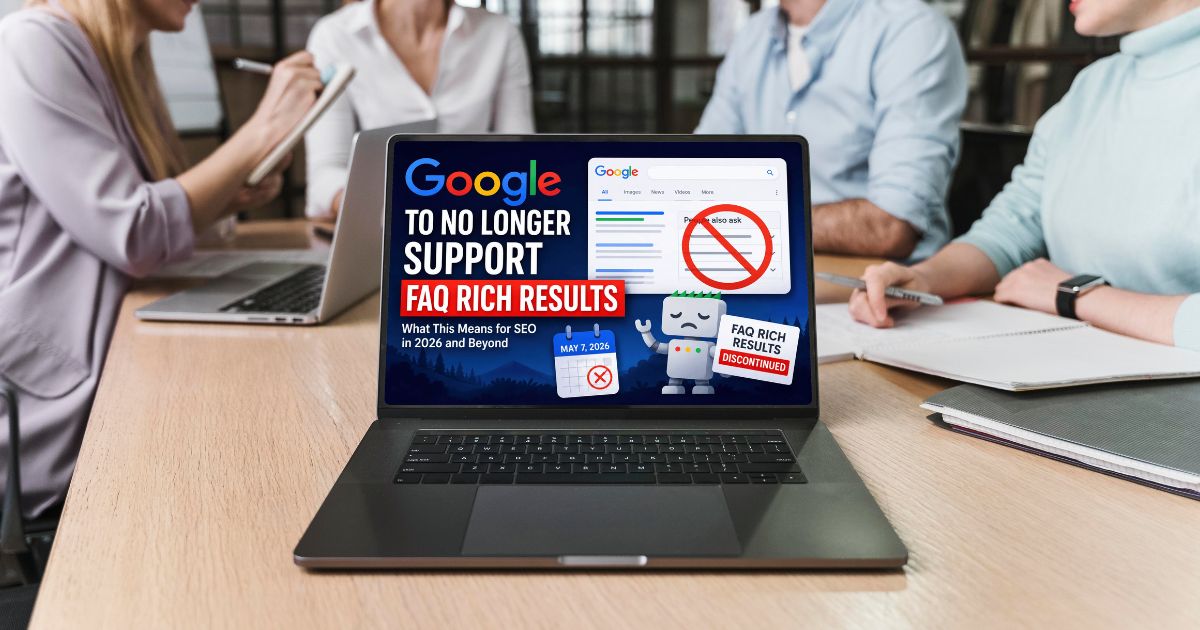
Google No Longer Supports FAQ Rich Results for Most Websites
Google no longer shows FAQ rich results for most websites. FAQ schema now mainly works for trusted government and health websites only.
By Sahil Bansal
Local SEO vs National SEO: Which Strategy Is Right for Your Business?
Local SEO works best for location-based businesses, while national SEO helps brands reach wider audiences across multiple cities or regions.
By Sahil Bansal
Website Migration SEO Checklist for 2026
The website migration SEO checklist is a process to protect rankings, traffic, and backlinks during a website transition. It covers SEO best practices to ensure a smooth migration without harming SEO performance.
By Sahil Bansal