

How Many High-Quality Backlinks Do I Need to Rank on Google in 2026?
 Published:
January 19th, 2026
Published:
January 19th, 2026

There is no fixed number of backlinks to rank in 2026. Rankings depend on competition, content quality, authority, relevance, and natural link growth.

Sahil Bansal
Founder & CEO
11 min read
- Do Backlinks Still Matter in 2026?
- How to Determine The Exact Number of Backlinks?
- Key Factors That Decide How Many Backlinks You Need
- Backlink Quality Over Quantity: Which Gets Better Results?
- Backlink Requirements for New Websites vs Established Websites
- 2026 Backlink Benchmarks Based on Keyword Competition
- How to Analyze Competitors to Find the Right Number
- How Long Do Backlinks Take to Impact Rankings?
- Smart Backlink Strategies That Work in 2026
- Common Backlink Myths to Stop Believing
- Final Thought
Share This Article
Backlinks are still one of the most important factors for SEO and online visibility in 2026. In simple terms, backlinks help Google understand how trustworthy and authoritative your website is compared to others.
However, the big question remains: How many backlinks do you actually need to rank on Google?
There is no single number of backlinks that guarantees rankings. Some pages rank with only a few strong, relevant links, while competitive keywords require many more to compete. Today, Google looks beyond link quantity and focuses more on link quality, relevance, content usefulness, and how well a page satisfies search intent.
Do Backlinks Still Matter in 2026?
Yes, backlinks still matter in 2026, but their role has become more refined. Google no longer treats backlinks as a standalone ranking factor. Instead, they are evaluated as part of a broader system of trust, authority, and relevance signals. Backlinks help Google understand a website’s credibility, topical alignment, and position within its industry, but their impact depends heavily on link quality, context, and how naturally they are earned.
While content quality, user experience, and AI-driven ranking systems play a major role, backlinks remain a key differentiator in competitive search results. Pages targeting low-competition keywords may rank with minimal backlinks, but medium to high-competition searches typically require strong, authoritative links. A well-planned off-page SEO strategy focused on relevant, editorially earned backlinks consistently outperforms low-quality or manipulative link-building tactics.
How to Determine The Exact Number of Backlinks?
There is no exact number of backlinks that guarantees rankings because Google compares your page directly with competitors, not a fixed benchmark. The number of backlinks you need depends largely on how strong the top-ranking pages already are.
Competition plays a major role. For low-competition keywords, a few relevant and authoritative backlinks may be enough to rank. In highly competitive niches, top pages often have hundreds of strong backlinks, which raises the bar for new or weaker sites.
This is why one website can rank with five high-quality backlinks while another may need hundreds. Factors such as domain authority, content quality, topical relevance, and user engagement all influence how much link support a page requires.
Realistic expectations are essential. Rankings usually improve gradually, not instantly. Instead of aiming for a specific backlink number, focus on building better content and stronger, more relevant links than your competitors over time.
Key Factors That Decide How Many Backlinks You Need
Several factors influence how many backlinks are required to rank, and understanding these helps set realistic SEO expectations. Google evaluates backlinks in context, alongside multiple quality and relevance signals.
1. Keyword Competition
Keyword competition has a direct impact on backlink requirements.
- Low-competition keywords often rank with minimal backlinks if content quality is strong.
- Medium-competition keywords usually require a balanced mix of quality content and authoritative backlinks.
- High-competition keywords typically demand a stronger backlink profile because top-ranking pages already have significant authority.
2. Domain Authority and Trust
Domain authority plays a major role in backlink needs.
- New websites usually require more backlinks to establish trust and credibility with Google.
- Established domains with a strong backlink history can rank with fewer new links because existing authority supports new pages.
3. Content Quality and Search Intent
Content quality can reduce the number of backlinks needed.
- Helpful, intent-focused content that fully answers user queries is more likely to rank with fewer links.
- Average or generic content often needs stronger backlink support to compete against better resources.
4. On-Page SEO Strength
Strong on-page SEO improves how effectively backlinks contribute to rankings. Proper technical SEO, clear site structure, optimized headings, internal linking, and fast page performance help Google understand and value your content, reducing the dependency on large numbers of backlinks.
5. Link Quality and Relevance
Not all backlinks carry the same value.
- Relevant, niche-specific backlinks from trusted sources pass stronger ranking signals.
- Random or low-quality links offer little benefit and may weaken overall SEO performance.
With recent Google algorithm updates, relevance, authority, and overall page quality now carry more weight, making strategic backlink building far more effective than chasing link counts.
Backlink Quality Over Quantity: Which Gets Better Results?
Before focusing on how many backlinks you need, it is important to understand why quality matters more than volume. In 2026, Google’s recent algorithm updates prioritize relevance, authority, and natural link patterns. A smaller number of high-quality backlinks from trusted websites can deliver stronger ranking signals than a large volume of low-quality links. Check our guide to reduce spam score from low-quality backlinks. This shift makes strategic backlink building far more effective than chasing numbers alone.
What Makes a High-Quality Backlink?
Since quality matters more than quantity, the next step is understanding what Google considers a strong backlink. A high-quality backlink comes from a reputable website within the same or a closely related niche. These links are placed naturally within meaningful, editorial content and provide real value to users. Google evaluates domain authority, topical relevance, and contextual placement to determine how much trust a backlink passes.
Anchor Text Best Practices
Even a strong backlink can lose effectiveness if anchor text is poorly optimized. Anchor text helps Google understand the context and relevance of a link. Natural and varied anchor text performs best. Branded terms, partial-match phrases, and descriptive anchors are preferred over repetitive exact-match keywords. Maintaining a balanced anchor profile reduces spam risk and improves link reliability.
Toxic Links and What to Avoid
Understanding what works also means knowing what can harm your rankings. Toxic backlinks typically come from spammy directories, link farms, irrelevant websites, paid link schemes, or automated tools. These links add little value and can negatively impact SEO if accumulated. Regular backlink tracking through Google Search Console helps identify harmful links early and maintain a clean, trustworthy backlink profile.
If you discover spammy, irrelevant, or harmful backlinks pointing to your site, consider using Google’s Disavow Tool. This helps prevent low-quality links from negatively impacting your rankings while maintaining a clean backlink profile.
Backlink Requirements for New Websites vs Established Websites
Backlink requirements differ significantly between new and established websites. Google evaluates trust and authority over time, which directly affects how many backlinks a site needs to rank.
What New Websites Should Focus on First?
New websites should focus on building a solid SEO foundation before investing heavily in backlink acquisition. Key priorities include:
- Create high-quality, helpful content that clearly matches search intent and provides real value to users.
- Optimize on-page SEO by improving titles, headings, internal linking, and site structure for better crawlability.
- Establish topical relevance by publishing content around a focused niche rather than covering unrelated topics.
- Earn a small number of authoritative backlinks from relevant websites to begin building trust and credibility.
- Ensure technical SEO basics are in place, including fast loading speed, mobile friendliness, and proper indexing.
- Track early performance in Google Search Console to monitor indexing, impressions, and backlink growth.
Focusing on these fundamentals helps new websites build trust gradually and reduces the need for aggressive link building later.
How Existing Authority Reduces Backlink Requirements
Established websites benefit from existing authority, which significantly reduces the number of new backlinks needed to rank. Key advantages include:
- Built-in trust and credibility from years of consistent content and search performance.
- An established backlink profile that already signals authority to Google.
- Faster indexing and ranking for new pages because the domain is already trusted.
- Stronger internal linking opportunities, allowing link equity to flow from high-performing pages to new content.
- Greater resilience in competitive niches, where authority helps pages rank with fewer external links.
- Lower dependency on aggressive link building, as existing signals support new rankings naturally.
This accumulated authority allows aged websites to compete more efficiently, often outperforming newer sites with fewer additional backlinks.
2026 Backlink Benchmarks Based on Keyword Competition
Link building requirements vary widely depending on keyword competition. In 2026, these benchmarks should be viewed as general guidance rather than fixed rules, as actual needs depend on content quality, domain authority, and competitor strength.
Low-Competition Keywords
Low-competition keywords often rank with a small number of high-quality backlinks. Well-optimized content that matches search intent can rank with minimal link building, especially for blogs, niche topics, or long-tail searches.
Medium-Competition Keywords
Medium-competition keywords usually require a balanced backlink profile. Ranking often involves consistent link acquisition from relevant sources combined with strong on-page SEO and useful content that stands out from competitors.
High-Competition Keywords
High-competition keywords typically demand a strong backlink foundation. Top-ranking pages often have a large number of authoritative backlinks, making it essential to focus on quality, relevance, and long-term link-building strategies.
Local SEO Keywords vs National Keywords
Local SEO keywords generally need fewer backlinks because competition is limited to a specific geographic area. National keywords face broader competition and usually require stronger domain authority and more high-quality backlinks to achieve and maintain top rankings.
How to Analyze Competitors to Find the Right Number
Analyzing competitors is the most practical way to estimate how many backlinks you need. Google ranks pages relative to others targeting the same keyword, making competitor research more reliable than following generic backlink numbers.
Tools to Check Competitor Backlinks
SEO tools such as Ahrefs, SEMrush, Moz, and Ubersuggest help identify how many backlinks top-ranking pages have and where those links come from. Focus on the top 5 to 10 results for your target keyword to get a realistic benchmark.
What to Look for Beyond Link Count
Do not focus only on the total number of backlinks. Pay attention to link quality, referring domains, niche relevance, anchor text usage, content depth, and overall domain authority. Often, fewer high-quality links outperform a large number of weak ones.
Identifying Weak Spots You Can Beat
Look for gaps where competitors fall short, such as outdated content, weak on-page SEO, poor user experience, or low-quality backlinks. Creating better content and earning more relevant links can help you outperform stronger-looking competitors without matching their backlink count exactly.
How Long Do Backlinks Take to Impact Rankings?
Backlinks do not impact rankings instantly. Google takes time to discover, evaluate, and trust new links before they influence search positions. The timeline depends on link quality, site authority, and overall SEO strength. However, understanding the benefits of link building helps you see why investing in high-quality backlinks is worthwhile, even if results take time
Indexing and Trust Timelines
After a backlink is created, Google first needs to crawl and index it, which can take a few days to several weeks. Gaining trust takes longer, especially for new websites. Typically, noticeable ranking improvements appear within a few weeks to a few months when links are high quality and relevant.
Patience Matters More
Google now prioritizes long-term credibility over short-term signals. Sudden spikes in backlinks may be ignored or scrutinized, while steady, natural link growth builds trust. Consistency and patience are essential, as sustainable rankings come from gradual authority development.
Signs Your Backlinks Are Working
Positive signs include improved keyword positions, increased organic traffic, faster indexing of new pages, and growth in referring domains. Even small ranking movements indicate that backlinks are being recognized and contributing to overall SEO performance.
Smart Backlink Strategies That Work in 2026
Effective backlink building in 2026 focuses on value, relevance, and long-term trust rather than shortcuts. Google rewards strategies that align with genuine content quality and natural link acquisition.
Content-Led Link Building
High-quality, useful content remains the foundation of strong backlinks. In-depth guides, original insights, data-driven articles, and practical resources naturally attract links from relevant websites. Content that solves real problems earns links without aggressive outreach.
Digital PR and Brand Mentions
Digital PR is one of the most effective strategies. Earning brand mentions from news sites, industry blogs, and authoritative platforms strengthens trust signals. Even unlinked brand mentions can support authority, while linked mentions provide direct SEO value.
Guest Posting Done the Right Way
Guest posting still works when done ethically. Focus on relevant, high-quality websites and contribute valuable content rather than promotional articles. The goal is to build authority and reach the right audience, not just acquire links.
Internal Linking to Boost Link Power
Internal linking helps distribute backlink value across your site. Linking from high-authority pages to important content improves crawlability, strengthens topical relevance, and reduces the need for excessive external backlinks. Strong internal structure enhances the impact of every earned link.
Common Backlink Myths to Stop Believing
Many outdated backlink myths still circulate in SEO, but believing them can slow progress or even harm rankings in 2026. Understanding what no longer works is just as important as knowing what does.
More Links Always Mean Higher Rankings
Having more backlinks does not automatically lead to better rankings. Google prioritizes relevance, authority, and trust, so a smaller number of high-quality links can outperform hundreds of weak or unrelated ones.
Paid Links Are the Fastest Way
Paid links may seem like a shortcut, but they carry significant risk. Google is highly effective at detecting unnatural link patterns, and paid link schemes can result in ranking drops or penalties rather than long-term gains.
Exact-Match Anchors Guarantee Rankings
Overusing exact-match anchor text no longer guarantees higher rankings. In fact, it can trigger spam signals. Natural, varied anchor text that fits contextually within content is far more effective and safer.
Final Thought
When it comes to backlinks in 2026, there is no magic number that guarantees rankings. A practical rule of thumb is to focus on building stronger, more relevant backlinks than the pages currently ranking above you, rather than chasing a specific count.
The real focus should be on outperforming competitors through better content, stronger relevance, and higher-quality links. Google ranks pages comparatively, so beating what already exists matters more than arbitrary backlink targets.
For sustainable rankings, prioritize helpful content that matches search intent, clean on-page and technical SEO, steady acquisition of relevant backlinks, and a natural growth pattern. Long-term success comes from consistency, trust, and value.
If you are unsure whether your business website requires a backlinks strategy, discuss your options with us at WebCazador to create the right plan for your site and industry.
Frequently Asked Questions
Related Posts
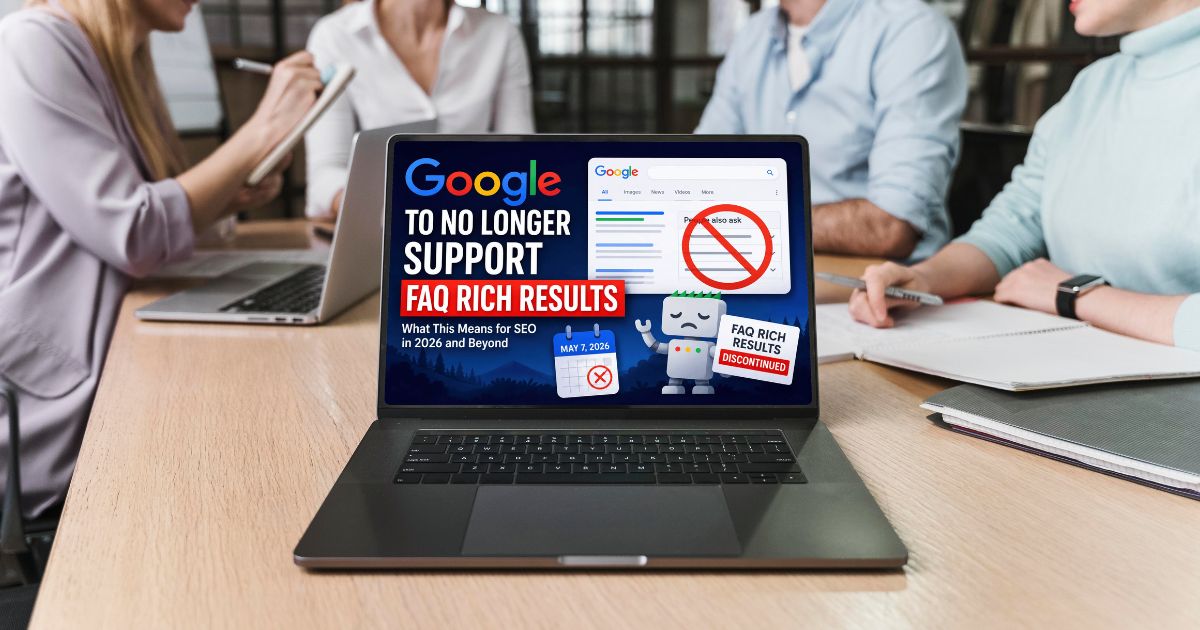
Google No Longer Supports FAQ Rich Results for Most Websites
Google no longer shows FAQ rich results for most websites. FAQ schema now mainly works for trusted government and health websites only.
By Sahil Bansal

Local SEO vs National SEO: Which Strategy Is Right for Your Business?
Local SEO works best for location-based businesses, while national SEO helps brands reach wider audiences across multiple cities or regions.
By Sahil Bansal

Website Migration SEO Checklist for 2026
The website migration SEO checklist is a process to protect rankings, traffic, and backlinks during a website transition. It covers SEO best practices to ensure a smooth migration without harming SEO performance.
By Sahil Bansal